Dublin drivers worry about kerbs. Clare drivers worry about cows. But wherever you’re driving in Ireland, the wrong tyres can turn a routine trip into a roadside headache.
In recent years, over 75,000 vehicles failed the NCT because of tyre or wheel issues alone. Tyre health is about safety as much as it is about ride comfort.
Whether you’re weaving through city traffic and speed limits or low rolling resistance along rural backroads, the terrain beneath you shapes how your tyres wear, grip, and respond. Knowing how to adjust your care routine makes all the difference.
City vs. Country Road Risks and the Risk of Premature Wear
City driving and country driving wear your tyres in completely different ways. Understanding those differences and load indexes helps you spot problems early and choose tyres that last longer wherever you drive.
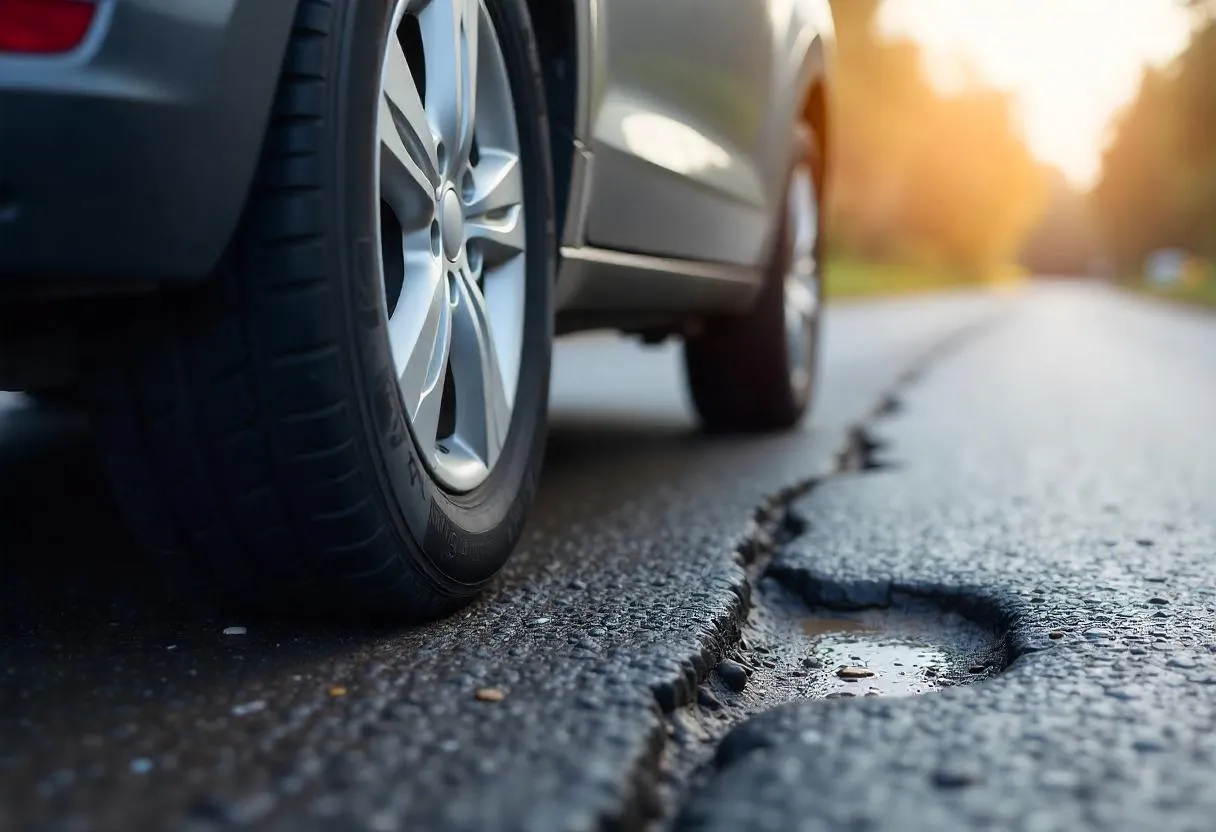
Potholes and Kerbs in the City
Urban drivers know roads are full of hazards that look harmless until you feel the bump. Every time you edge over a kerb or clip one while parking, you risk sidewall scuffs or hidden internal damage.
Potholes are just as bad, especially after heavy rain or winter roadworks.
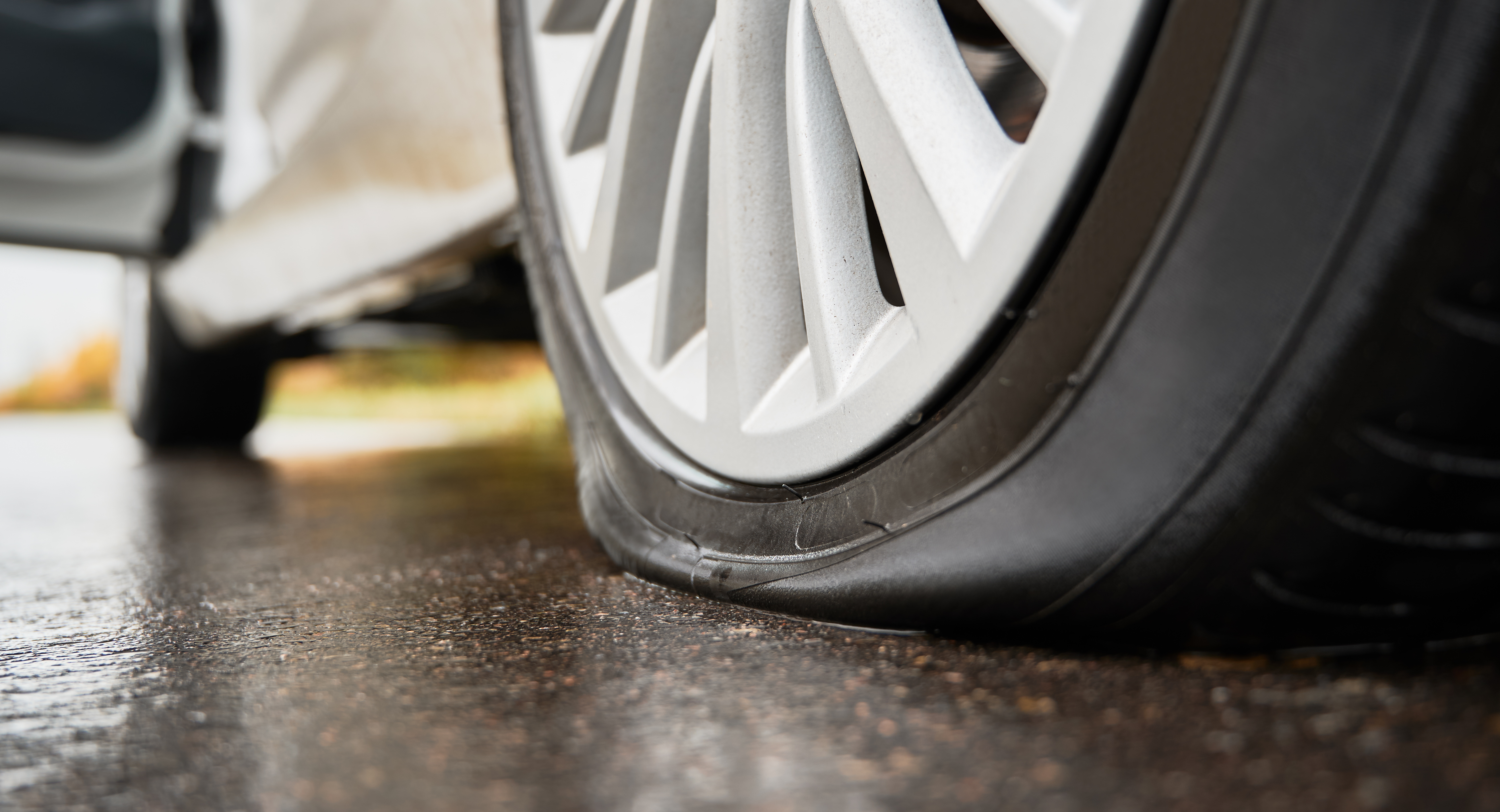
Bent rims, bulging sidewalls, and slow leaks often start small and go unnoticed until your next NCT. If your driving needs are daily through Dublin, Cork, or Galway, take a minute once a week to inspect your tyres for scrapes, bulges, or uneven wear.
Gravel and Mud on Rural Highways or Roads
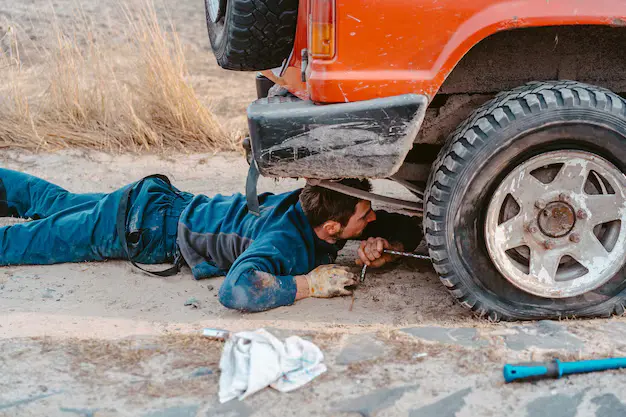
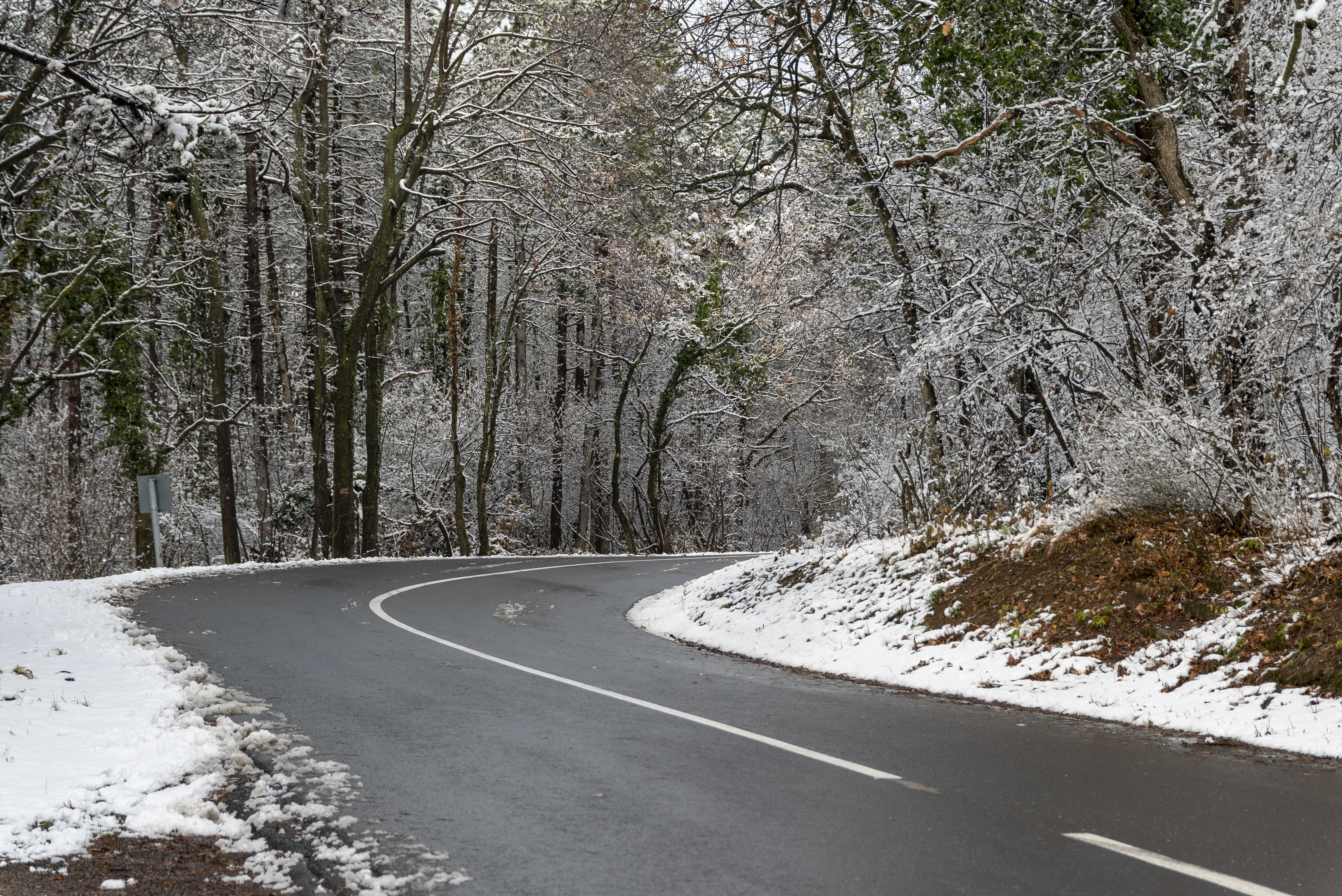
Rural roads tell a different story. Loose gravel, mud, and hidden stones can cut through tread or wedge into it. After a wet week or farm activity, those same roads turn slippery, forcing your tyres to work harder for grip during frequent turning.
Regularly check for embedded stones or flint in your tread. They can dig deeper over time and cause slow leaks.
And if you’re often driving through the countryside, investing in reinforced all-terrain tyres can help reduce wear and tear from rough, uneven, or loose surfaces.
Debris Hazards in Driving Environment Normal Conditions
Irish roads hide more than puddles and potholes. The debris you’ll encounter depends on where you drive and each type brings its own kind of risk.
Urban Litter: Glass, Metal, and Screws
City streets are full of small, sharp surprises. Broken glass from bins, stray screws from building sites, and loose bits of metal from passing lorries can all slice into the tread or cause slow leaks.
The risk is higher if you park along busy streets or use multi-storey car parks, where debris collects near curbs and drains. Make a habit of scanning your tyres when you park A quick glance can prevent a slow puncture from becoming a full blowout.
Rural Debris: Branches, Stones, and Farm Gear
Country roads bring a different kind of obstacle course. Fallen branches, scattered stones, and the occasional bit of farm equipment all pose hazards after a storm or during harvest season.
A small branch might not look serious, but at rural speeds, it can slice a sidewall or dent a rim. If you spot debris ahead, slow down and pass wide.
After driving on backroads, take a minute before your next trip to brush away mud and check for damage, especially around the tread and sidewalls.
Speed & Handling in Optimal Performance
How you drive plays as big a role in tyre wear as where you drive, whether they're winter tyres or summer tyres. Stop-start city traffic and wide-open country roads each test tyres in very different ways.
City Stop-Start: Braking and Tread Wear
Urban driving means constant motion, and that means constant braking. Traffic lights, junctions, and impatient drivers put heavy pressure on the front tyres, wearing edges faster than the centre tread.
To keep things balanced, rotate your tyres every 10,000 km (or as your vehicle handbook recommends) and check alignment if you notice vibration or uneven wear.
Smooth, steady braking achieves maximum safety and helps your tyres last longer and avoid wear patterns.
Country Cruising: Speed and Stability
Outside the city, tyres face maximum speeds and longer stretches without a stop. Heat builds faster, especially on summer days or rough surfaces, which can reduce grip and shorten tyre lifespan.
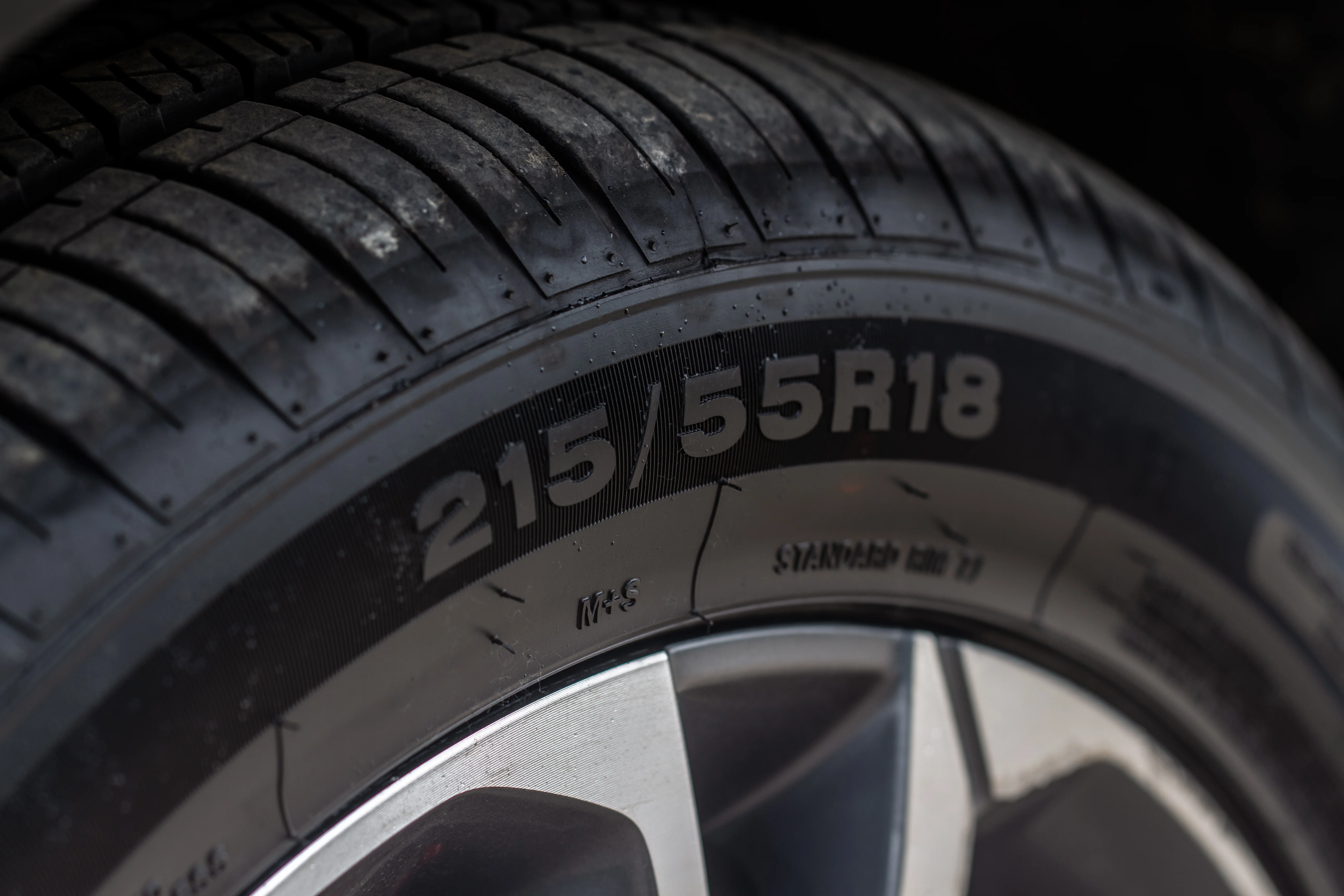
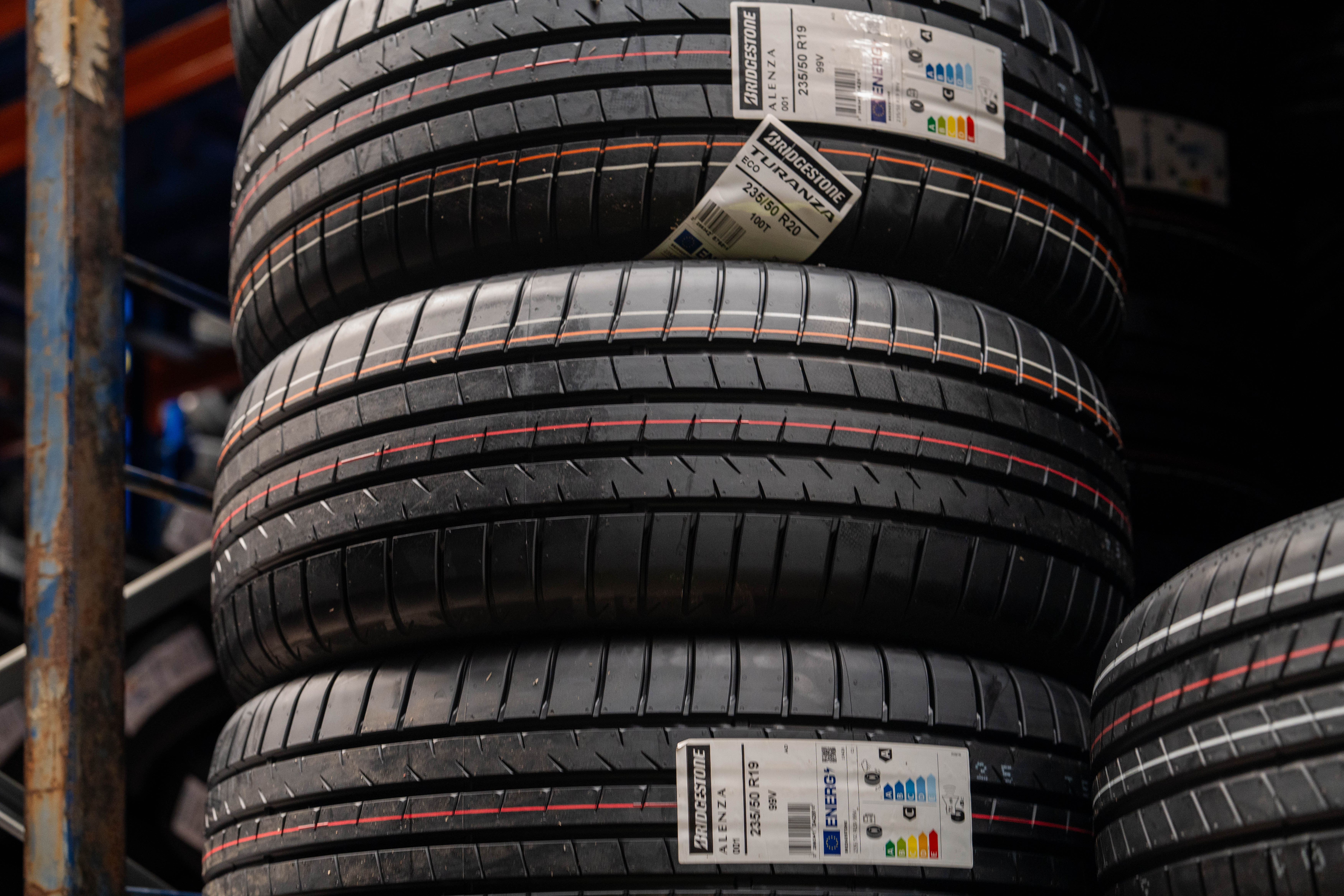
Make sure your tyres match your car’s recommended speed rating. It’s printed on the sidewall (for example, “91V” or “95H”). Using tyres rated too low for your driving habits is both unsafe and illegal.
If your journeys often cross counties or motorways, investing in higher-rated tyres gives you better handling, stability, and peace of mind.
Maintenance Routines
Different roads call for different routines. A city commuter and a country driver may share the same car, but their tyres live entirely different lives.
Urban Quick-Checks: Weekly Pressure and Debris Removal to Improve Fuel Consumption
City drivers should make short, frequent checks part of the weekly rhythm, especially before a busy Monday.
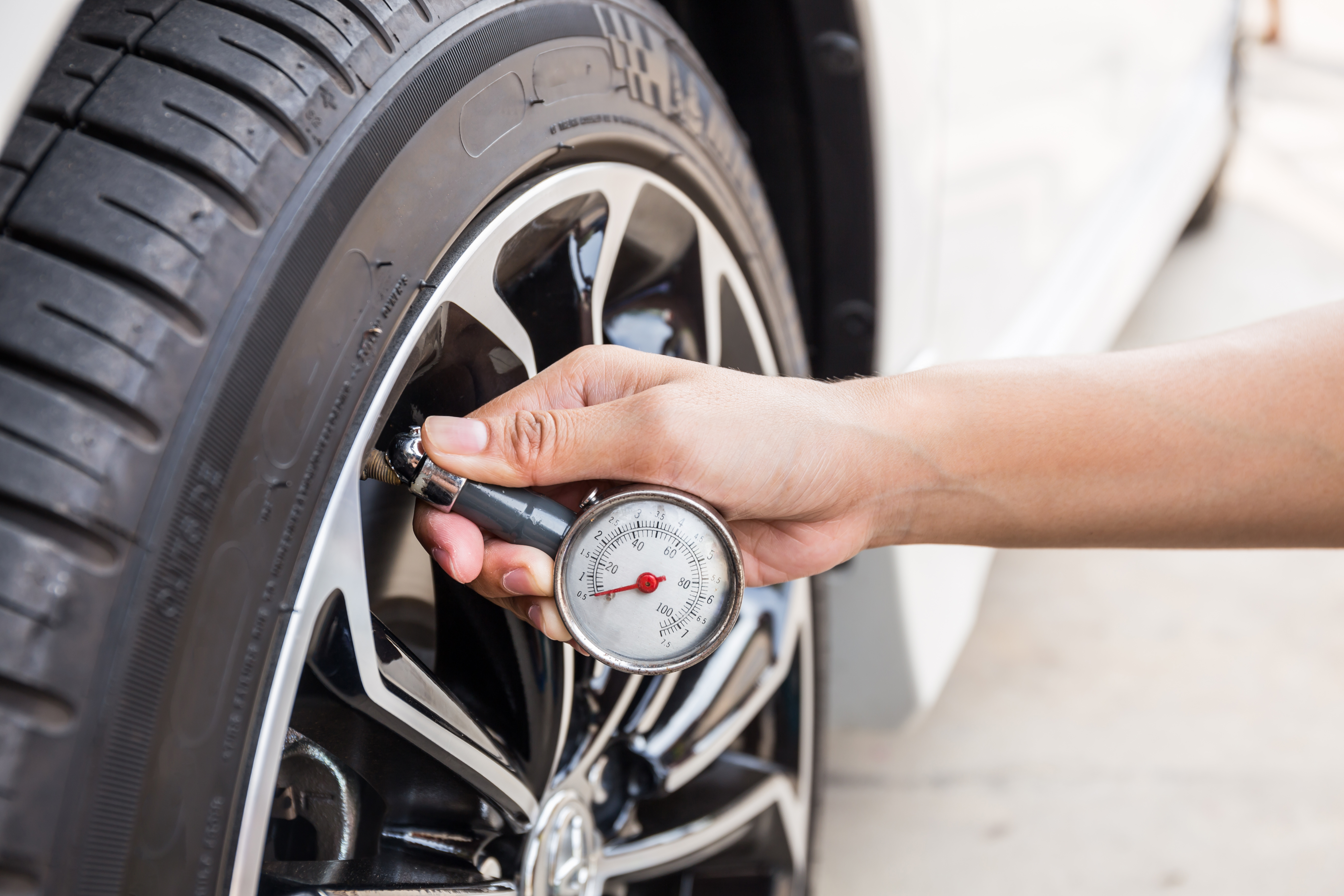
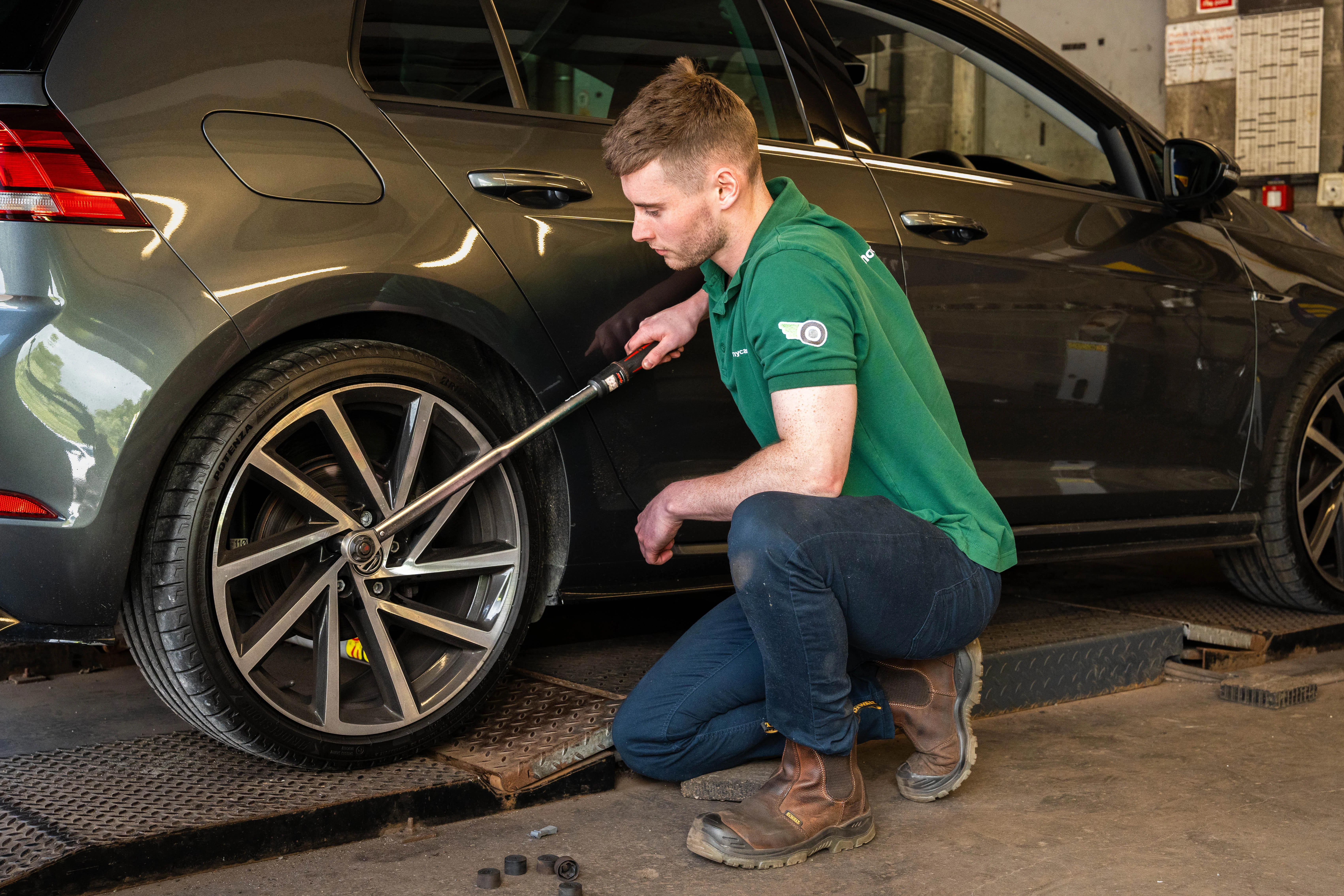
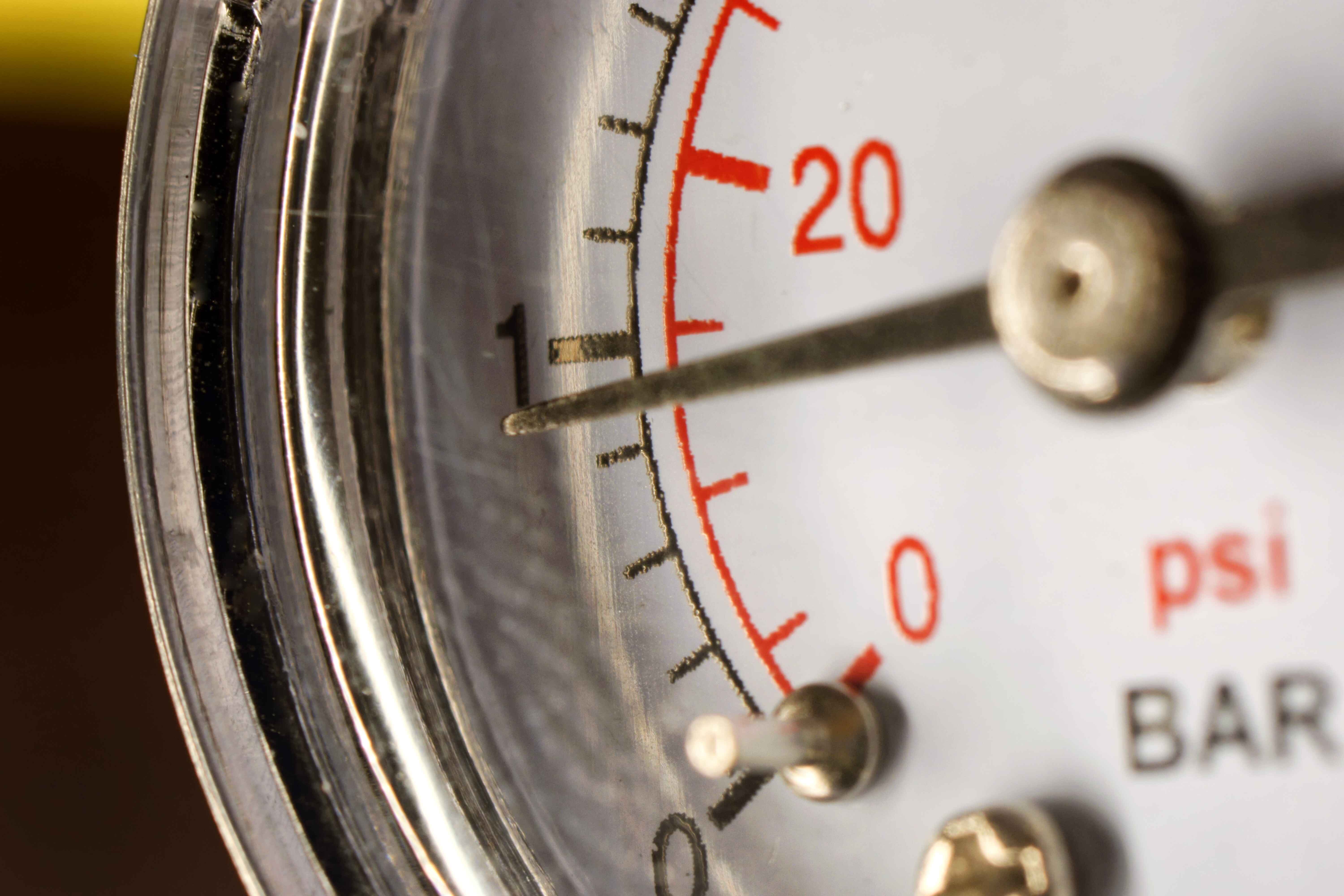
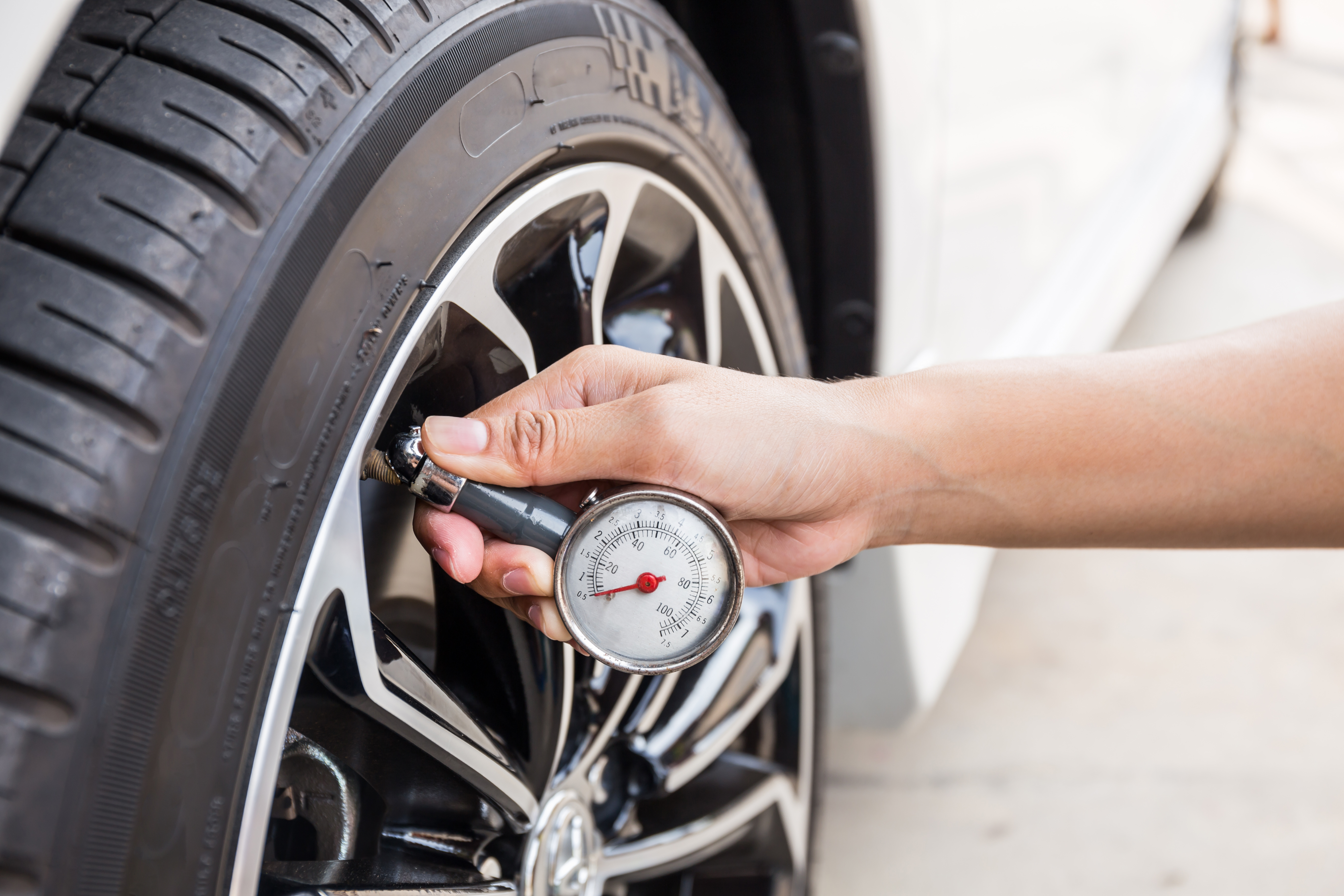
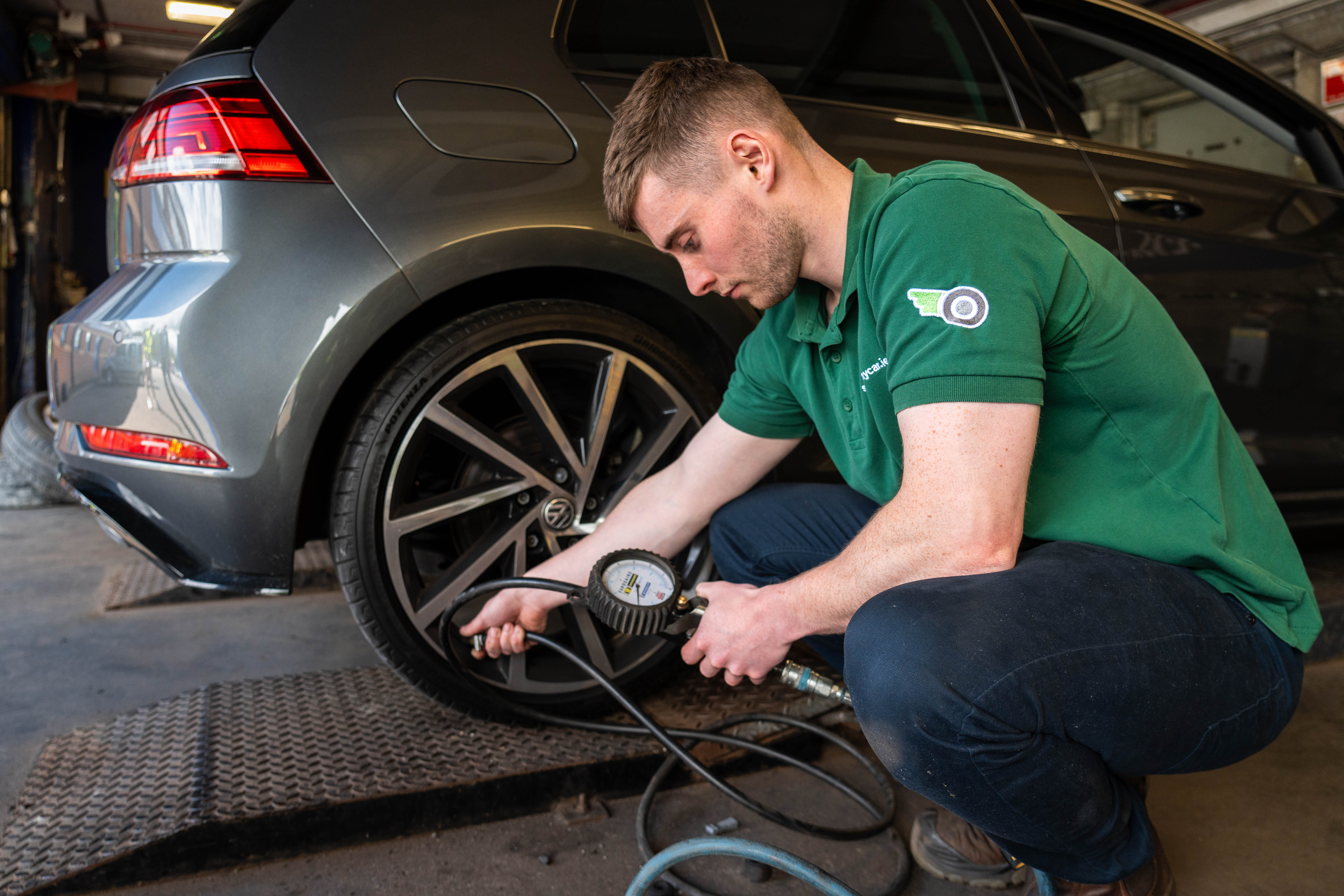
- Check tyre pressure against your manufacturer’s recommendations. Under-inflated tyres waste fuel efficiency and wear faster in stop-and-go traffic.
- Look for construction debris like nails, screws, or glass caught in the tread. A minute with a torch can save a morning breakdown.
- Rotate your tyres roughly every 10,000 km to even out the strain of tight corners and frequent braking.
Small, regular checks help offset the constant friction of maximum loads on urban roads and extend tyre life and fuel economy.
Country In-Depth Inspections: Monthly Sidewall and Deep Tread Pattern Checks
Rural drivers encounter rougher surfaces and longer stretches between services, so more thorough inspections make sense.
- Inspect sidewalls for cuts, bulges, or cracks. These often start small after being impacted by gravel or debris.
- Measure tread depth with a €1 coin or gauge; replace when the tread depth drops below 3 mm for improved wet-road grip.
- Watch your wheel alignment. Bumpy lanes and steep inclines can knock wheels out of alignment, causing uneven wear and heavier steering effort.
If your routes include farm tracks or backroads, consider tyres designed for mixed or all-terrain use. They’re tougher and more puncture-resistant.
One Island, Two Road Types, Same Rule: Check Your Tyres
Irish roads don’t play favourites. City or countryside dirt roads, your tyre types are always the first line of defence between you and whatever’s ahead: a cracked kerb, a patch of mud, or a rogue bit of farm debris.
Adapting your tyre care routine to where you drive keeps you safer, saves money, and helps you spot problems long before they become breakdowns. A few minutes of attention each week can mean better traction and thousands of extra kilometres of peace of mind.
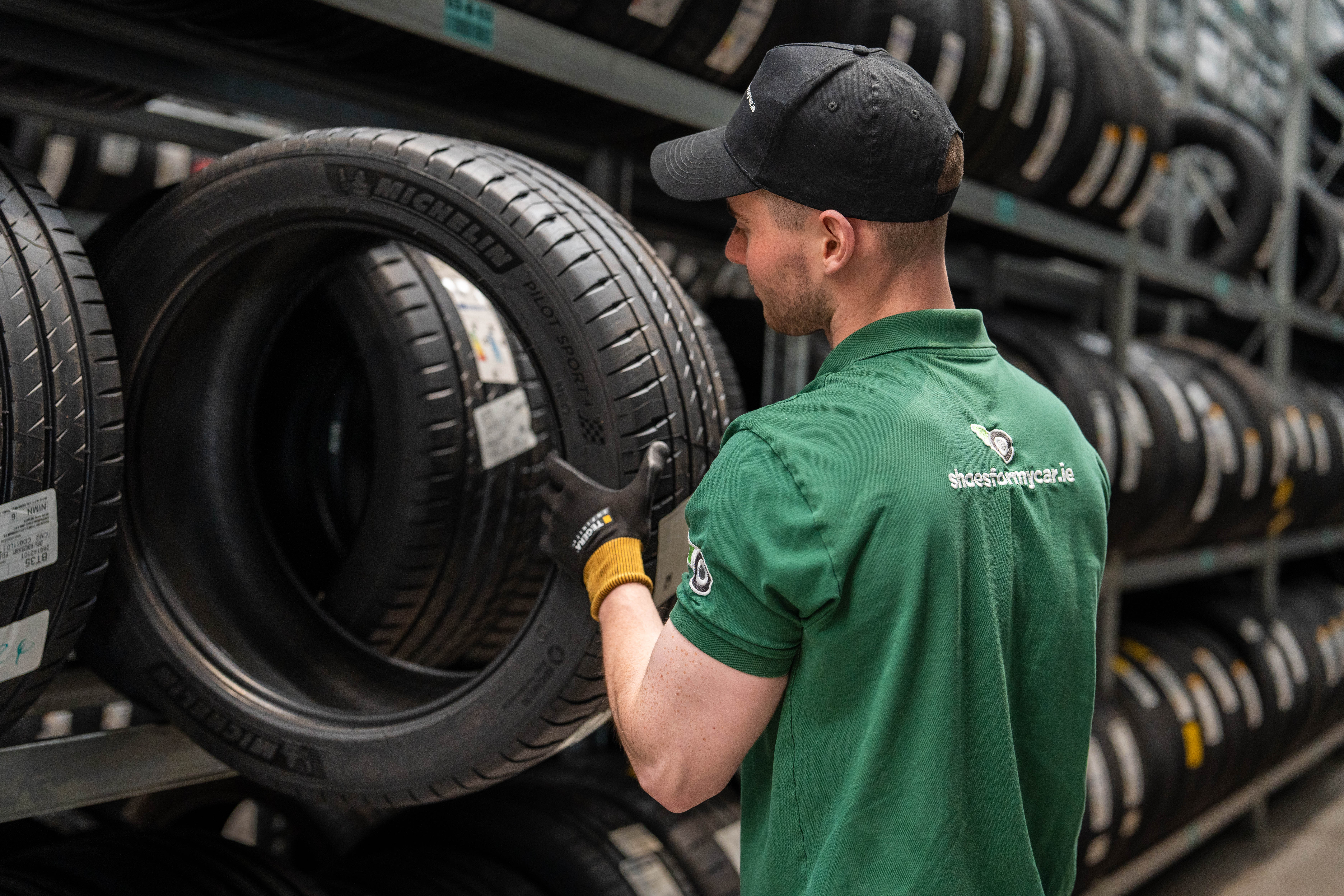
When it’s time for replacements, check Shoes for My Car for where to buy tyres. Compare top-rated tyres for both city and rural driving, check prices, and book fittings anywhere in Ireland.
Whether your commute ends in Cork traffic or a Tipperary tractor queue, the right tyres make all the difference. Contact us today!
Frequently Asked Questions
Do tyres wear out faster in the city or in the countryside?It depends on your driving routine. City tyres wear faster on the edges because of stop-start traffic, kerbs, and tight parking. Rural tyres wear faster across the tread from gravel, mud, and rough surfaces. Both environments create different forms of stress.
How often should I check my tyres if I split my driving between city and rural roads?Do a quick weekly check for pressure and debris, and a full inspection every month.
Mixed-environment driving exposes tyres to both kerb impacts and sharp rural debris, so consistent monitoring helps catch damage early.
What tyre pressure is best for city vs. country driving?Use the manufacturer’s recommended PSI for both environments. City drivers should watch for under-inflation due to kerb impacts, while rural drivers should check after long trips on gravel or mud, which can loosen valve seals or trap stones.
Are all-terrain tyres good for city driving too?Yes, but with trade-offs. All-terrain tyres offer better puncture resistance on rural roads, but they can be slightly noisier and less fuel-efficient in the city.
They’re ideal for drivers who regularly move between both environments.
How do I know if kerb damage is serious?Check for fresh scuffs, bulges, cracks, or dents in the rim. Even small sidewall bulges mean the tyre’s internal structure is compromised and should be replaced immediately.
Kerb impact damage is one of the most common reasons for sudden tyre failure in urban areas.
The legal minimum is 1.6 mm, but rural drivers should consider replacing tyres around 3 mm, especially if roads are muddy, gravelly, or frequently wet.
More tread means better braking grip and fewer traction issues on uneven surfaces.