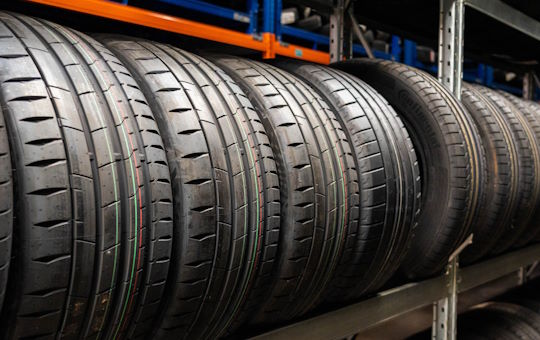
Car tyres are the only thing connecting your vehicle to the road, so it's important to ensure that they are in good condition at all times. Worn-out tyres not only compromise your safety on the road but also increase fuel consumption and reduce your vehicle's performance. In this blog post, we'll answer the most commonly asked question about car tyres: "How long should tyres last?" We'll explore the factors that affect tyre lifespan and provide tips to extend it.
Factors that Affect Tyre Lifespan
Several factors affect the lifespan of car tyres. Let's take a look at each of them:
Driving Habits
How you drive your car can significantly impact the lifespan of your tyres. Hard braking, aggressive acceleration, and high-speed driving can wear out your tyres faster. Additionally, if you frequently drive on rough roads or over potholes, it can cause damage to your tyres.
Maintenance
Regular maintenance of your tyres is crucial for their longevity. Ensure that you have them checked and aligned regularly. Under-inflated or over-inflated tyres can wear out unevenly, leading to a shorter lifespan. Regular rotation and balancing of your tyres can also extend their life.
Road Conditions

The condition of the roads you drive on can also affect your tyres' lifespan. Rough roads with potholes, debris, and sharp objects can cause punctures and wear out your tyres quickly.
Climate
The climate in which you live can also affect the lifespan of your car tyres. Extreme temperatures, especially heat, can cause the rubber in your tyres to break down faster.
Type of Tyres
Different types of tyres have different lifespans. High-performance tyres, for example, tend to wear out faster than standard tyres. The type of tyre you use for your vehicle should also suit the driving conditions.
Expected Lifespan of Car Tyres
The average lifespan of car tyres can range from 25,000 to 50,000 miles, depending on how they are used and maintained. Manufacturers often provide a guideline for tyre lifespan, but real-world usage may vary. For everyday drivers, this typically translates to tyres lasting 5-6 years.
However, tyres should be inspected after five years of use, and most experts recommend replacing them at least every six years, regardless of wear, due to the natural ageing of the rubber. It’s important to follow both mileage and age recommendations to ensure your safety on the road.
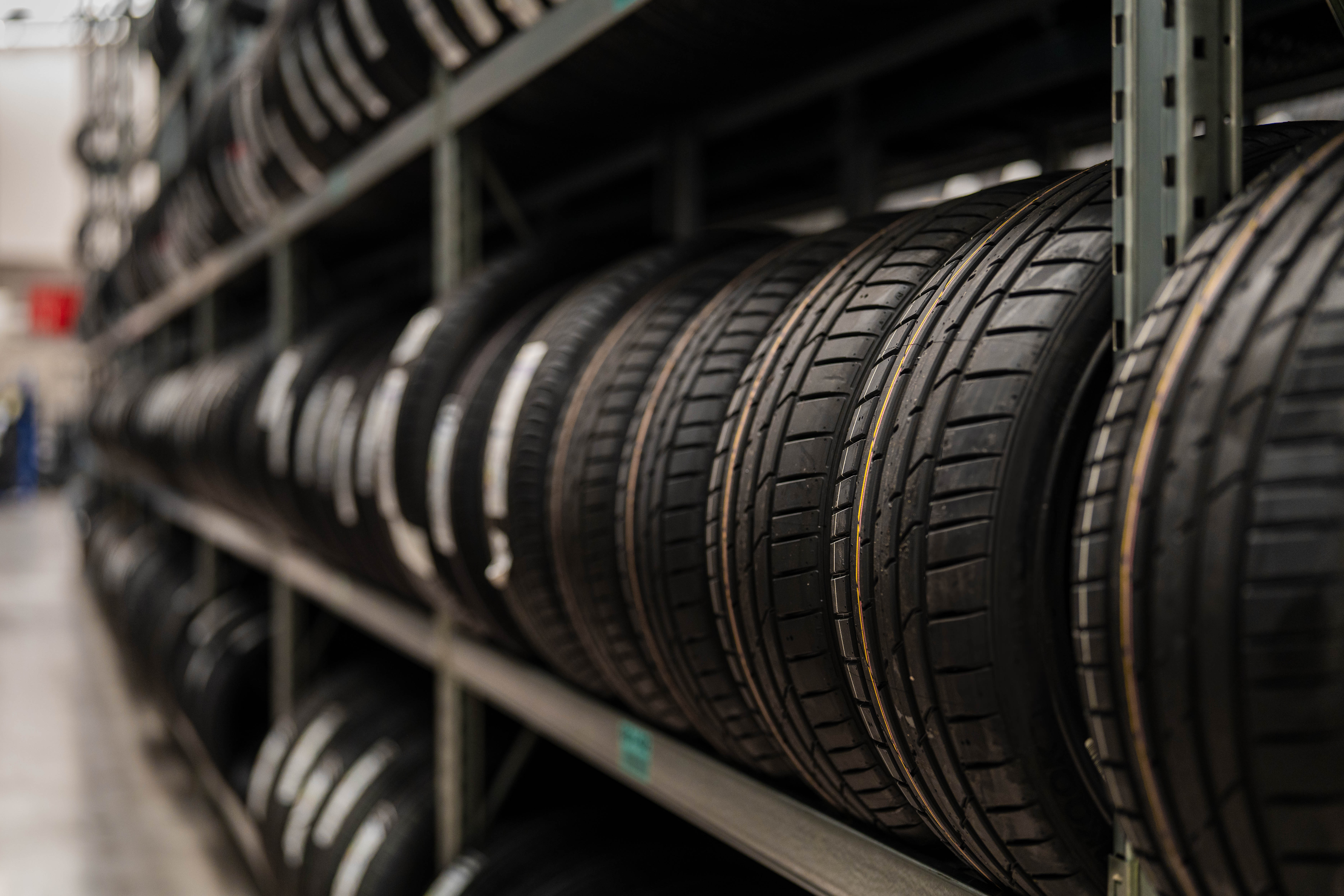
Proper tyre storage can have a significant impact on their lifespan, especially for those who swap between summer and winter tyres. Tyres should be stored in a cool, dry place, away from direct sunlight or heat sources. When not in use, tyres should be kept off the ground and shielded from moisture to prevent cracking or deterioration of the rubber.
Tips to Extend Tyre Lifespan
Here are some tips to extend the lifespan of your car tyres:
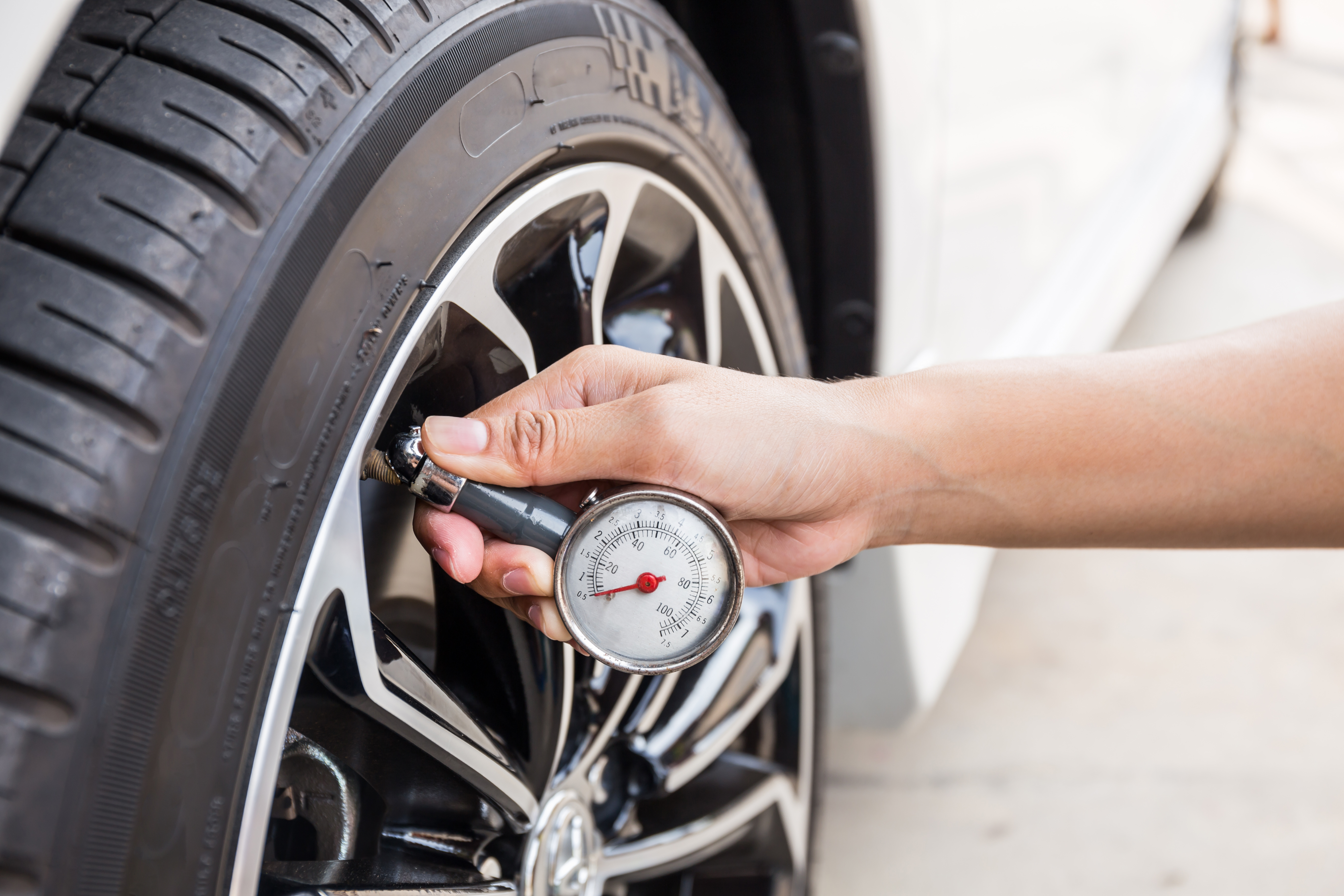
Check Tyre Pressure Regularly
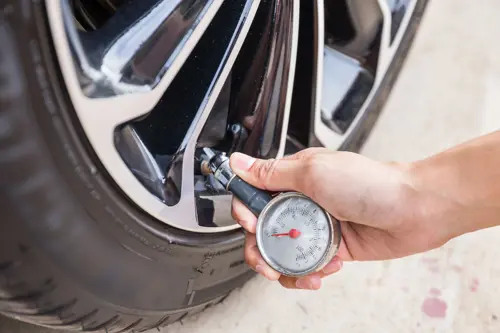
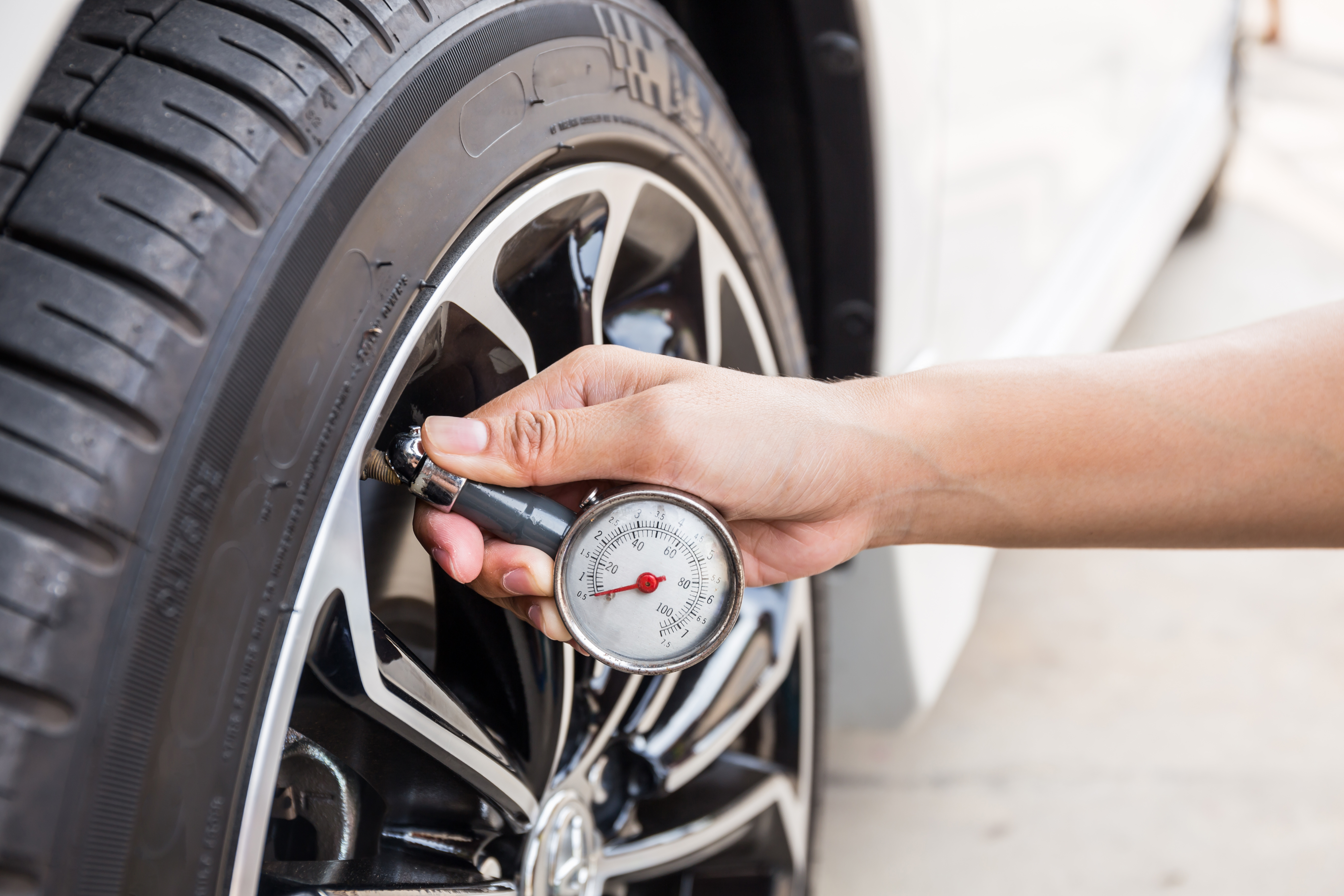
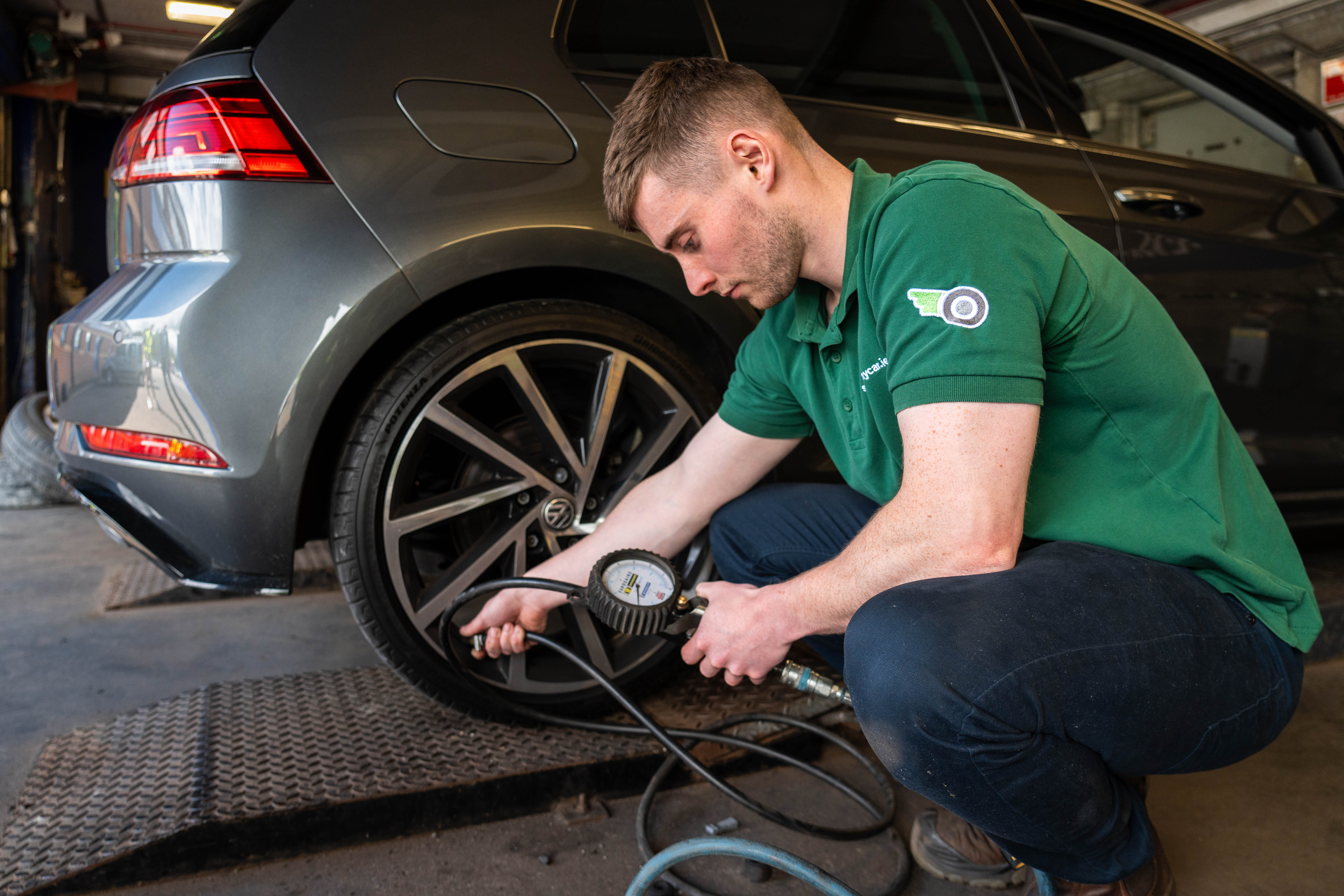
Checking your tyre pressure monthly can help ensure your tyres wear evenly and last longer.
Rotate Tyres
Rotating your tyres every 6,000-8,000 miles can help distribute the wear more evenly, extending their lifespan.
Get Wheel Alignment and Balancing Checked
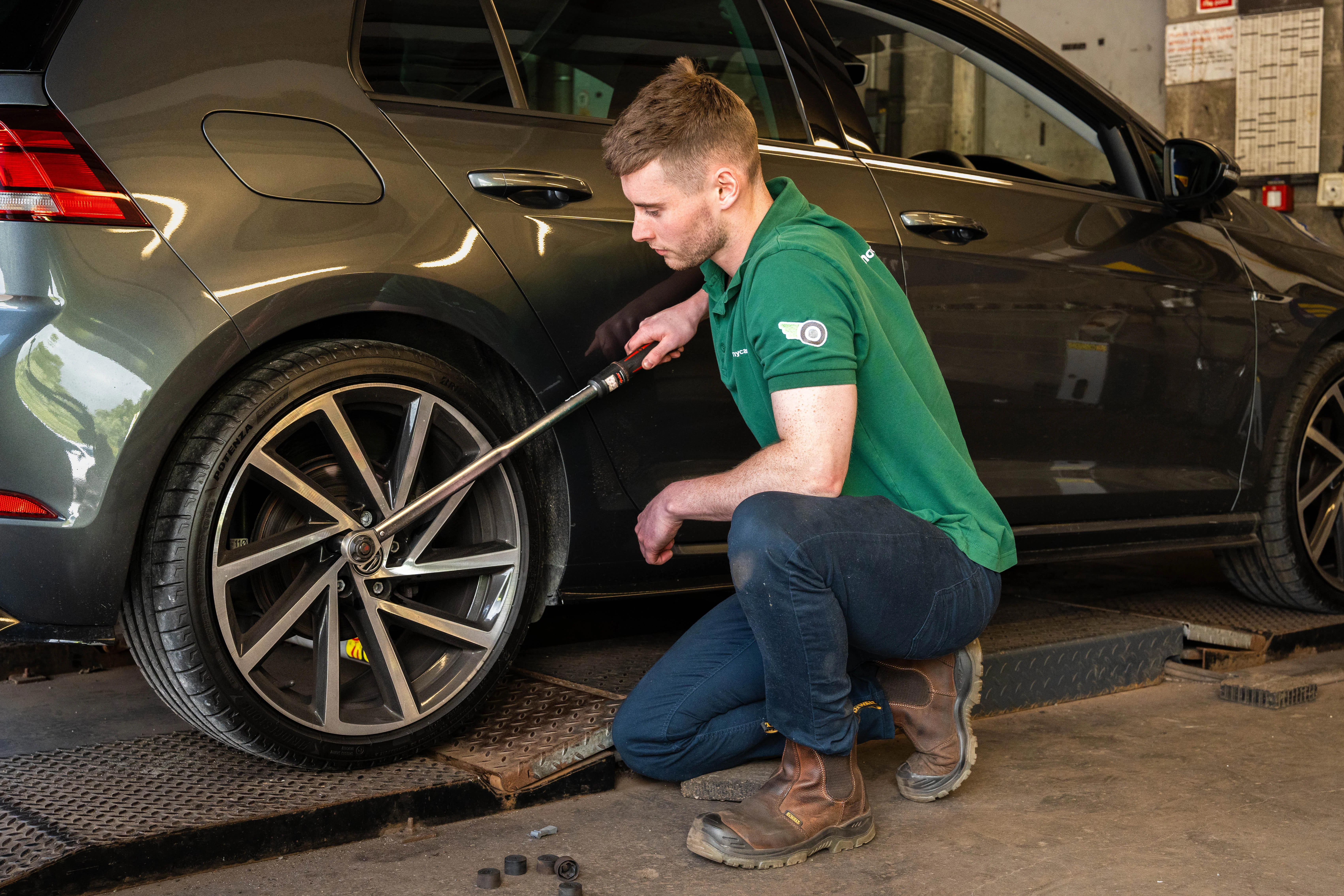
Proper wheel alignment and balancing can help prevent uneven wear and tear, increasing the lifespan of your tyres.
Drive Carefully
Avoid aggressive driving, hard braking, and speeding to reduce wear and tear on your tyres.
Avoid Overloading Your Vehicle
Overloading your vehicle can put excessive pressure on your tyres, causing them to wear out faster.
Choose the Right Tyres
Ensure that you use the right tyres for your vehicle and driving conditions. High-performance tyres may offer better performance but tend to wear out faster.
Signs that Your Tyres Need Replacing
It's crucial to know when your tyres need replacing. Here are some signs to look out for:
- Worn-out Tread: Bald or uneven tread on your tyres is a clear sign that they need replacing.
- Cracks or Cuts: If you notice cracks or cuts in the sidewalls or tread of your tyres, it's time to replace them.
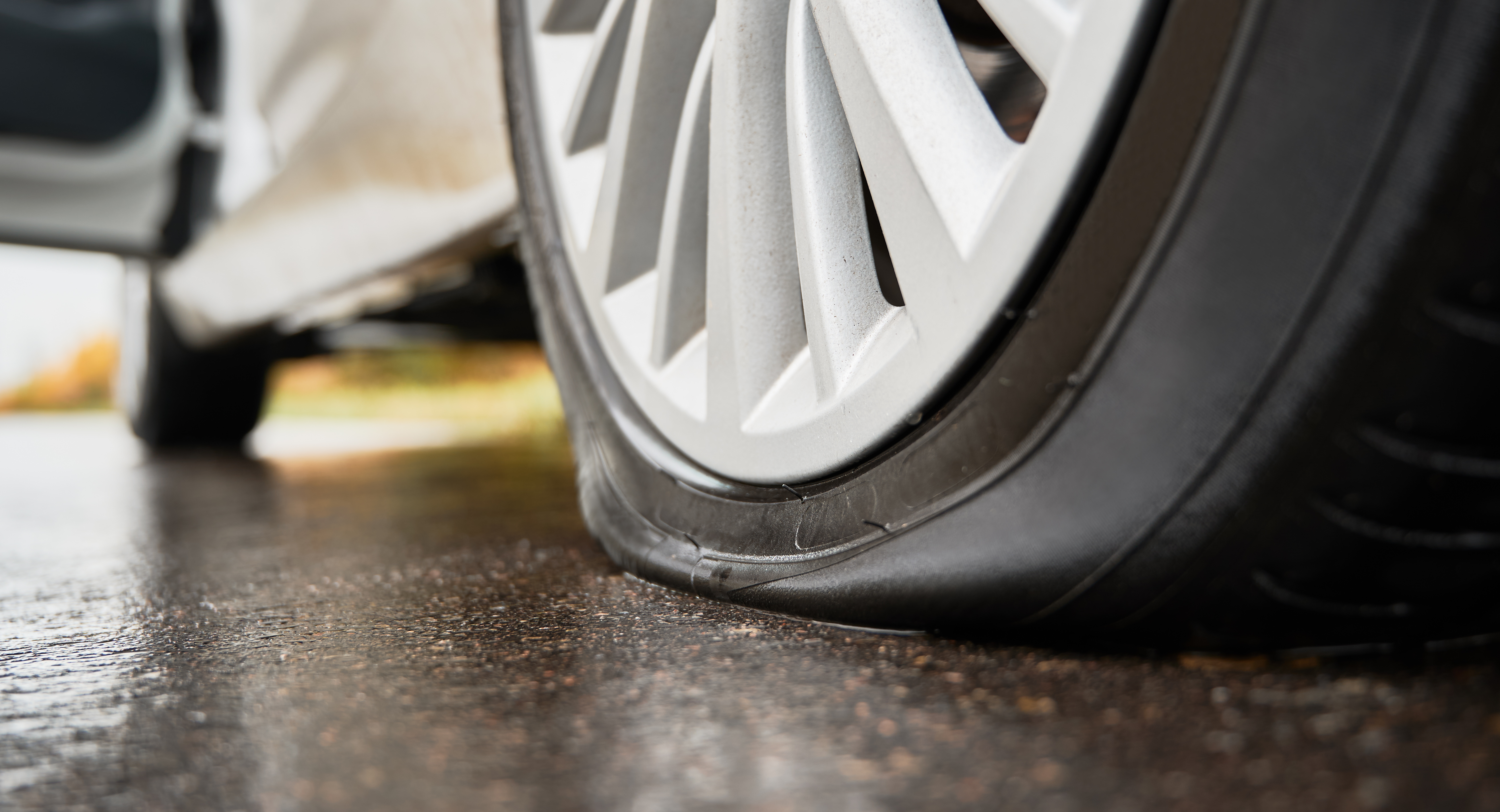
- Bulges or Blisters: Bulges or blisters on your tyres can indicate internal damage and require immediate replacement.
Get Expert Help with Your Tyres
Tyre care is essential for both performance and safety, but it doesn’t have to be complicated. At Shoes For My Car, we’re here to help you navigate the world of car tyres, from choosing the right ones for your driving conditions to keeping them in top shape. If you think your tyres are nearing the end of their lifespan or simply want to make sure they’re in good condition, contact us today to schedule a tyre check or replacement. Safe driving starts with good tyres—let us help you stay on the road with confidence!
FAQs About Tyre Lifespan
Can driving at high speeds reduce the lifespan of my tyres?
Yes, driving at high speeds can wear out your tyres faster, reducing their lifespan.
How often should I replace my car tyres?
You should replace your car tyres every five to six years, even if they have not reached their tread wear limit. If you notice any signs of wear and tear, such as cracks or bulges, it's time to replace them.
What is the minimum tyre tread depth?
Ireland's minimum legal tyre tread depth is 1.6mm across the central three-quarters of the tyre. However, replacing your tyres when the tread depth reaches 3 mm is recommended.