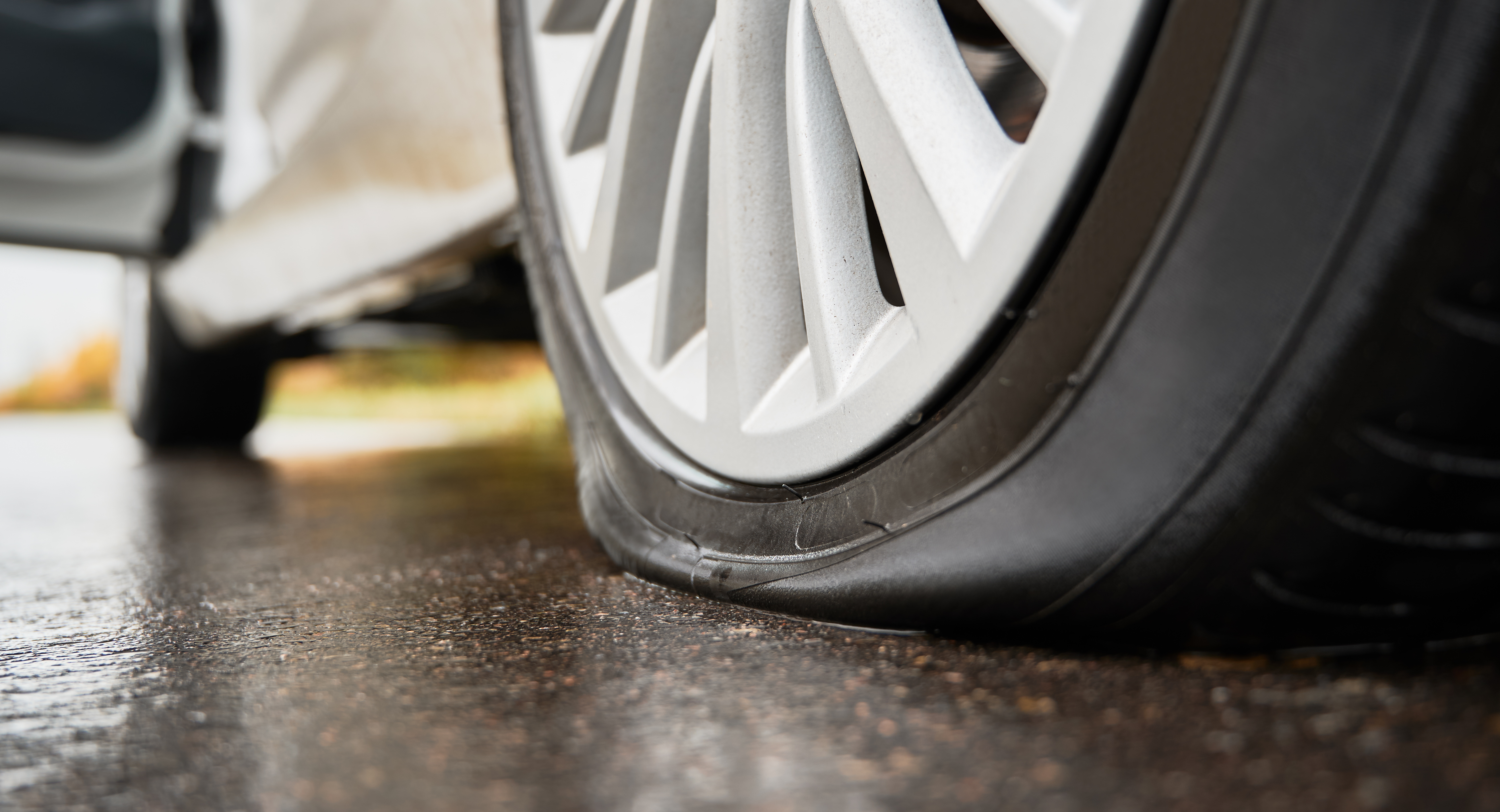
A tyre blowout demands your full attention the moment it happens. One loud bang and a sudden pull at the wheel can turn a routine drive into a serious situation in seconds.
On busy Irish roads, staying calm and reacting correctly matters. The right actions early on can help you keep control and avoid making things worse.
In Ireland, tyre condition is a real safety concern. Recent figures from the Road Safety Authority show that tyres remain the leading cause of National Car Test failures, with nearly 162,000 motorists, around 9.5%, failing due to poor tyre condition in the last year. Tens of thousands of vehicles were also found to have dangerously low tread depths, increasing the risk of sudden tyre failure, particularly in wet or high-speed driving conditions.
Knowing how to handle a tyre blowout helps drivers respond when the unexpected happens. This guide covers the key steps to protect your safety and get back on the road with minimal risk, including:
- What to do immediately when a tyre blows at speed, and you potentially lose control
- How to regain control and slow the vehicle safely
- Where and how to pull over without creating further danger
- When to change the tyre yourself and when to call for assistance
- What to check after a blowout and how to reduce the risk in future
Immediate Reactions
The first few seconds after a tyre blowout matter. Your goal at this stage is not to stop the car immediately, but to stabilise it.
Sudden or aggressive inputs can make the situation worse, especially at higher speeds.
Keep a Firm Grip on the Steering Wheel
A tyre blowout usually announces itself with a loud bang and an immediate pull to one side.
When that happens, keep both hands firmly on the steering wheel and resist the urge to jerk or correct sharply. A steady grip helps keep the car moving in a straight line while speed begins to drop.
Loss of control often comes from overcorrection rather than the blowout itself. Staying composed at the wheel gives you the best chance of maintaining stability and avoiding a secondary incident.
Remain Calm and Avoid Hard Braking
Hard braking immediately after a blowout can destabilise the vehicle, particularly if the rear tyre has failed.
Instead, take your foot off the accelerator and allow the car to slow naturally. This reduces the risk of skidding and keeps weight distribution more balanced across the remaining tyres. Braking should only be introduced once the vehicle feels settled. Smooth, gradual inputs are far safer than sudden stops in these conditions.
Regaining Control
Once the initial shock of the blowout passes, the focus shifts to maintaining direction and reducing speed in a controlled way.
At this stage, patience matters. Small, deliberate movements help the vehicle settle as traction returns.
Steer Straight and Look Ahead
Keep your eyes focused on the road ahead and aim to hold the steering wheel straight. Avoid sharp turns or sudden lane changes, even if the car feels unstable at first. Steering smoothly helps the remaining tyres maintain grip and prevents the vehicle from fishtailing.
Modern vehicles may assist with stability control, but the driver’s input remains the most important factor. Staying calm and steering control with purpose helps the car slow without drifting into other lanes.
Brake Gently Once Stable
As the vehicle’s speed drops and steering feels more predictable, begin braking gently. Apply steady brake pressure rather than quick or forceful inputs. This brake pedal approach helps bring the car down to a safer speed without upsetting its balance.
If traffic conditions allow, switch on your hazard lights to warn other drivers. Clear communication and gradual braking give surrounding vehicles time to react, reducing the risk of further incidents.
Safely Exiting the Road
Once your speed is under control, the priority becomes getting out of moving traffic safely. Choosing the right place to stop and communicating clearly with other drivers reduces risk for everyone involved.
Signal Early and Stay Predictable
As soon as it is safe to do so, indicate your intention to pull over. Signalling early gives other road users time to adjust and helps prevent sudden braking or swerving around your vehicle. Keep your movements slow and predictable as you make your way toward the side of the road.
On motorways and dual carriageways, maintaining a clear line and avoiding last-second lane changes is especially important, as traffic is moving at higher speeds.
Choose the Safest Place to Stop
Aim to stop in a location that keeps you as far from live traffic as possible. On motorways, this means the hard shoulder. On other roads, look for a lay-by, wide verge, or quiet side road. Avoid stopping on bends, hills, or narrow shoulders where visibility is limited.
Once you come to a complete stop, apply the handbrake and switch on your hazard lights. If you need to exit the vehicle, do so carefully and stay well clear of passing traffic. Your safety comes first, even before assessing the damage to the tyre.
Change the Tyre or Call for Help
After stopping safely, the next decision is whether to change the tyre yourself or seek professional assistance. The right choice depends on traffic conditions, visibility, and your own experience and comfort level.
When a DIY Tyre Change Makes Sense
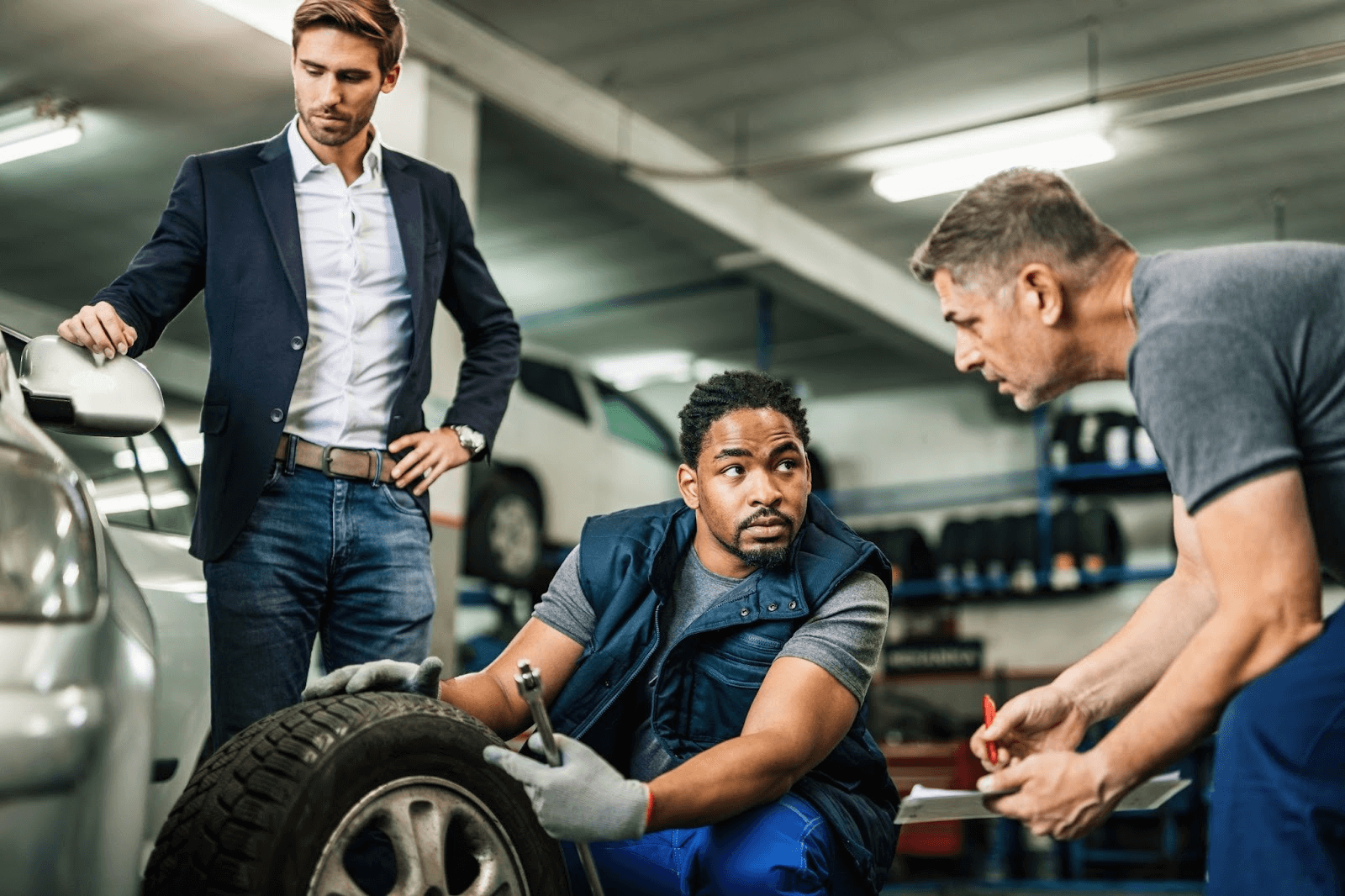
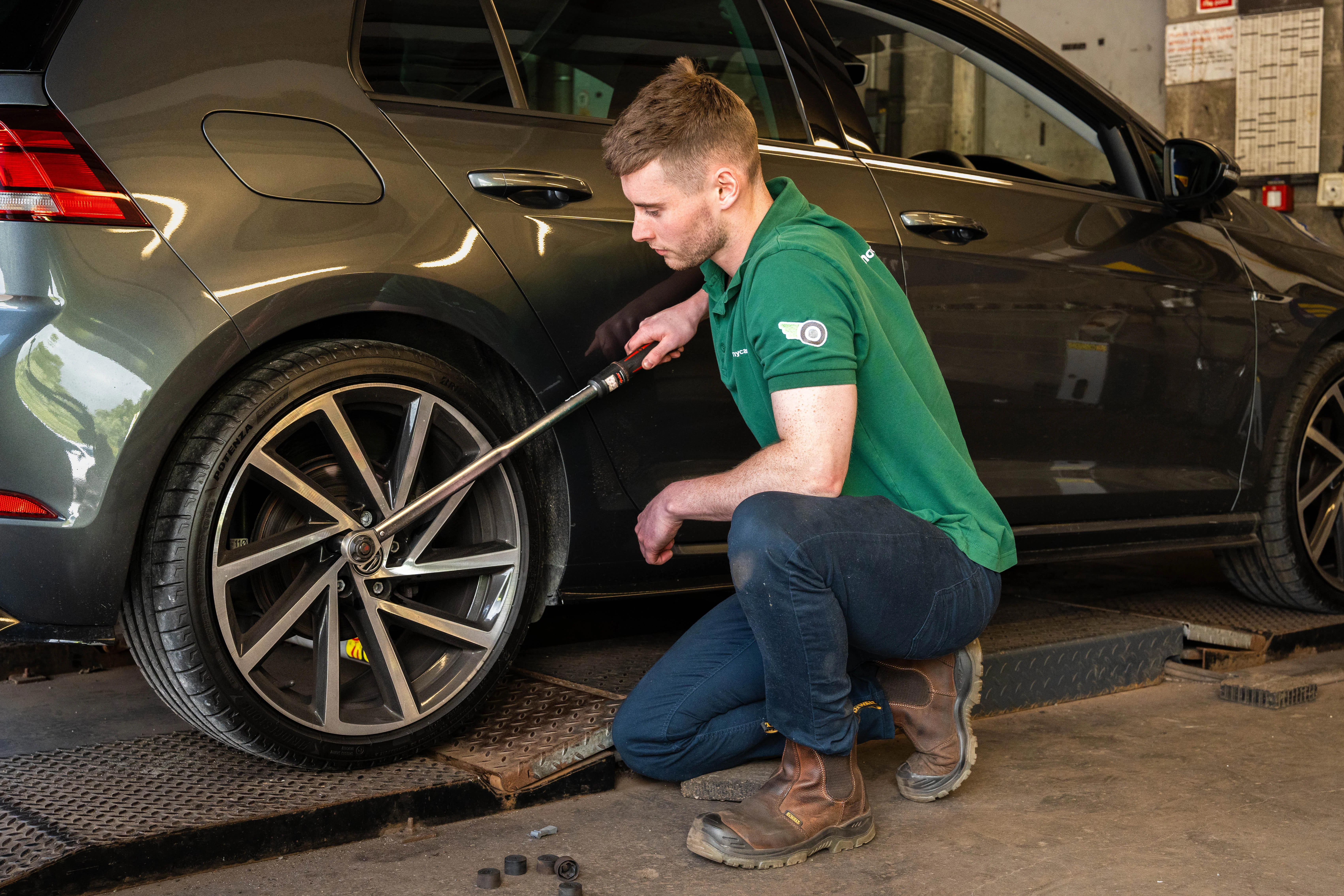
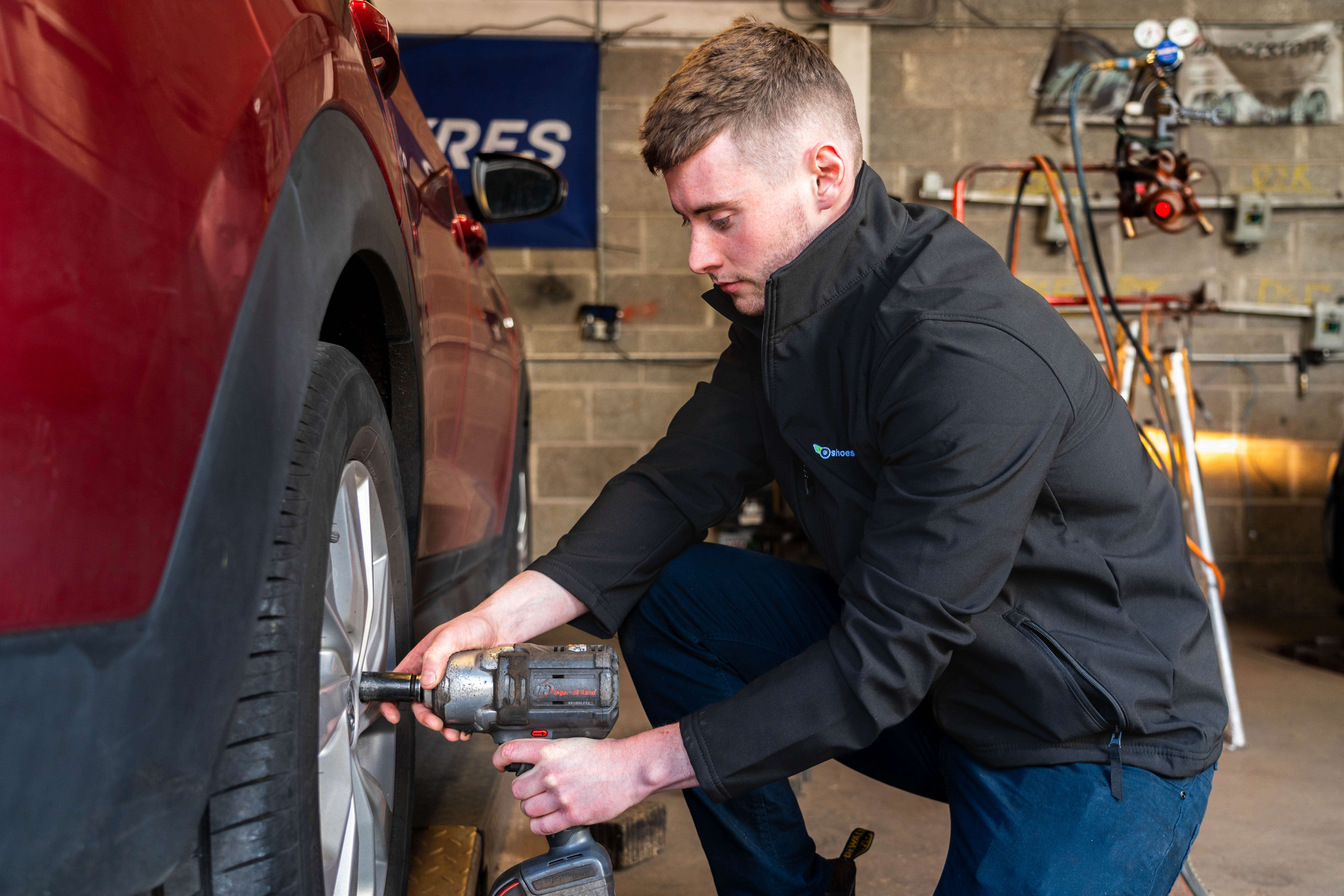
Changing the tyre yourself may be an option if you are stopped in a low-traffic area, have good visibility, and feel confident using the necessary tools.
Before starting, make sure the handbrake is engaged and the vehicle is on stable, level ground. Use your warning lights to stay visible and follow the instructions in your vehicle’s handbook.
Most cars carry either a full-size spare or a space saver tyre, along with a jack and wheel brace. Take your time and avoid rushing. If at any point the situation feels unsafe, stop and reassess.
When to Call for Roadside Assistance
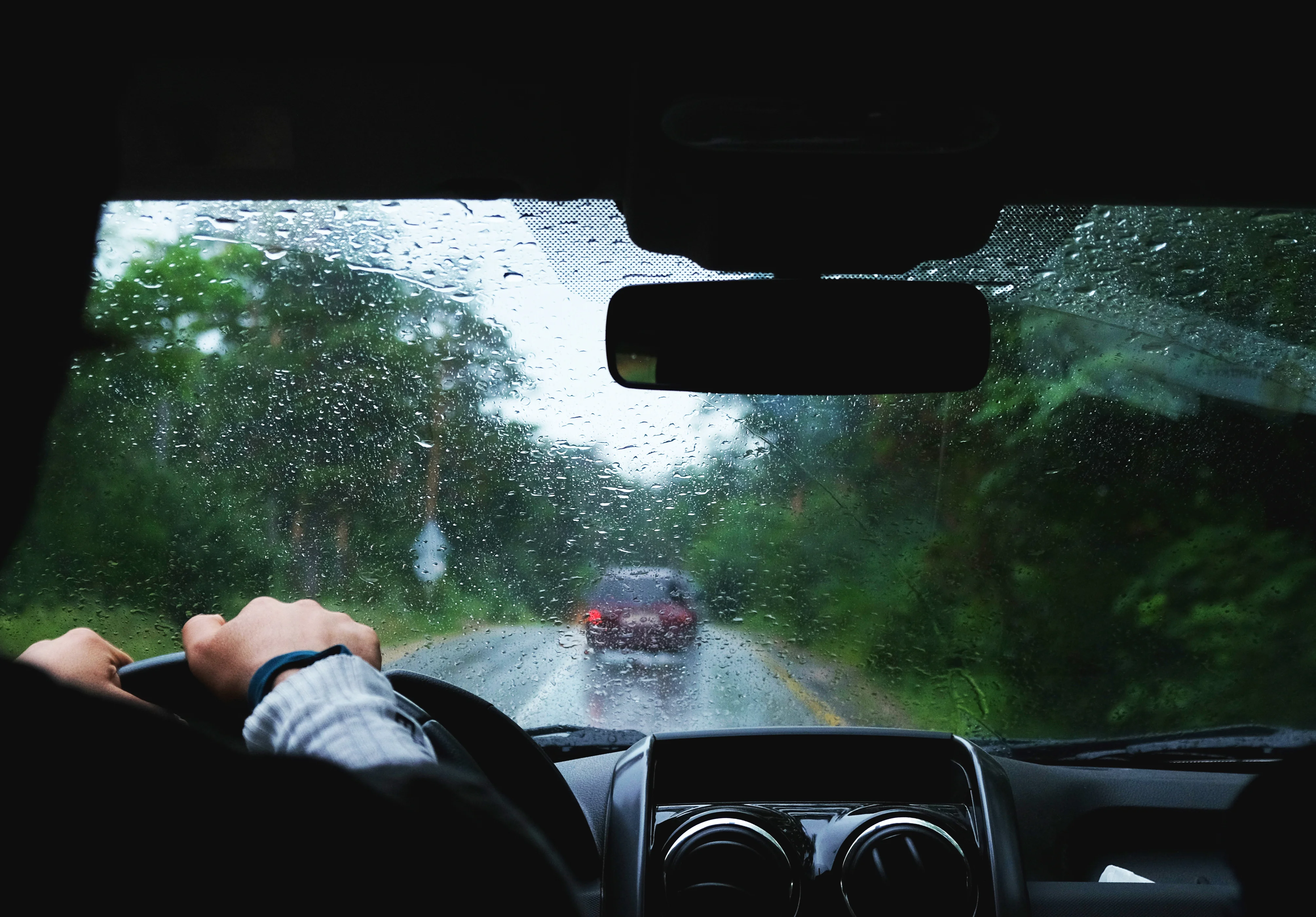
On busy roads, at night, or in poor weather, calling for roadside assistance or a tow truck is often the safer option. Working near fast-moving traffic significantly increases the risk of injury. In these situations, it is best to move to a safe position away from the road and wait for help to arrive.
Roadside assistance providers can change the tyre quickly and safely or arrange recovery if the vehicle cannot be driven. Keeping your breakdown cover details accessible and knowing your location can help speed up the process and reduce time spent roadside.
Post-Blowout Checks
Once the immediate situation is under control, a few basic checks can help prevent further issues and confirm whether it is safe to continue driving.
A tyre blowout can cause damage beyond the tyre itself, especially at higher speeds.
Check the Spare Tyre and Driving Limits
Before setting off, confirm that the spare tyre is properly inflated and suitable for use. Many vehicles are fitted with space saver tyres, which are designed for short distances and reduced speeds only.
Follow the manufacturer’s guidance and avoid motorway driving if advised against it. If the spare shows signs of damage or low air pressure, do not continue driving. Calling for assistance at this stage is safer than risking another breakdown.
Inspect for Additional Damage
Take a moment to visually inspect the affected wheel area. Look for signs of damage to the rim, suspension components, or bodywork. Vibrations, pulling to one side, or unusual loud noises while driving can also indicate underlying issues caused by the blowout.
If anything feels off once you are back on the road, have the vehicle checked by a professional as soon as possible. A reputable tyre or service centre can assess the damage and recommend whether repair or replacement tyres are needed.
Stay Prepared and Reduce the Risk of a Tyre Blowout
A tyre blowout is over in moments, but how you respond can have lasting consequences. Staying calm, controlling the vehicle, and making smart decisions at the roadside all help protect you and other road users. Just as important is reducing the risk of a blowout happening in the first place.
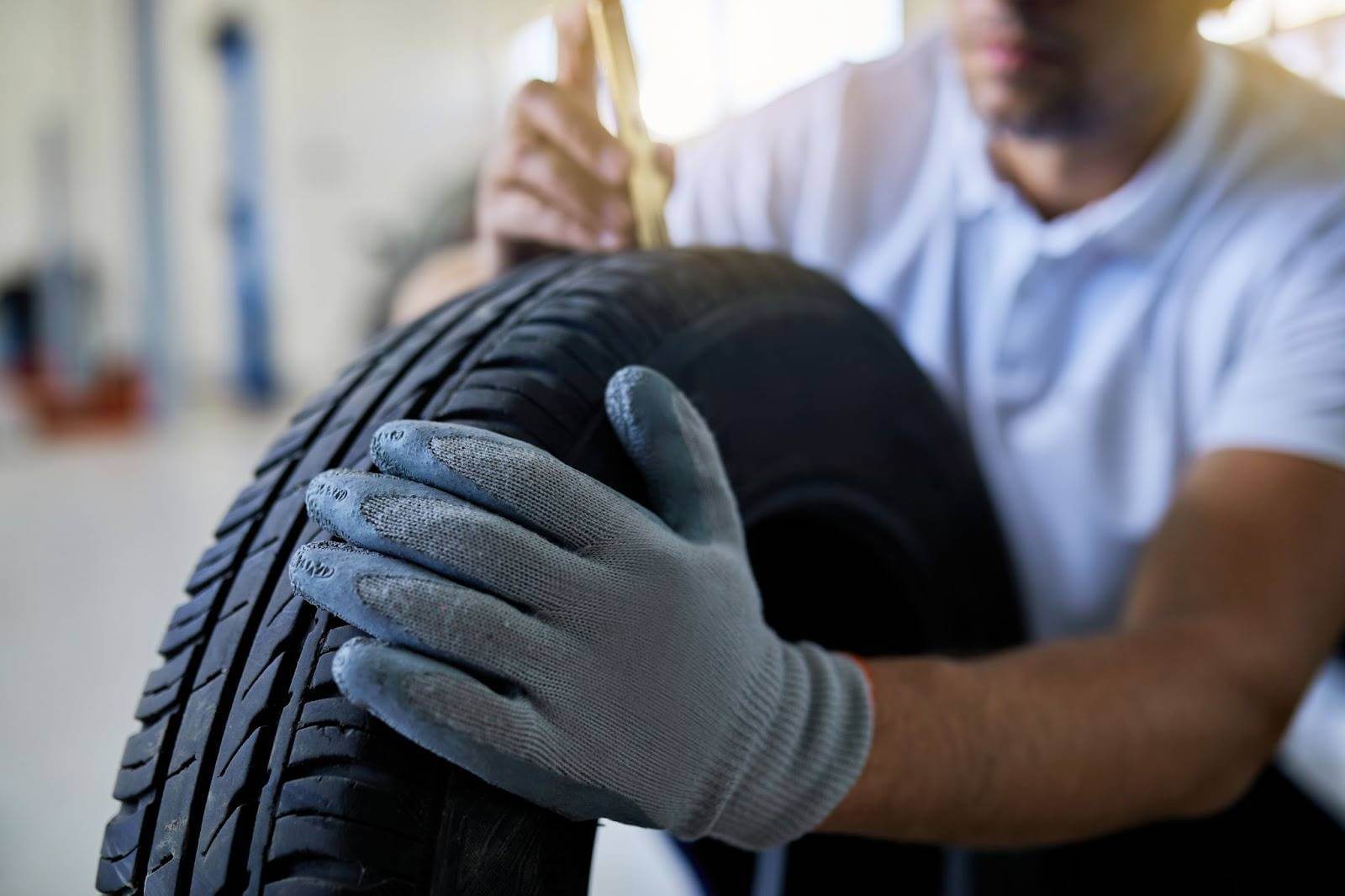
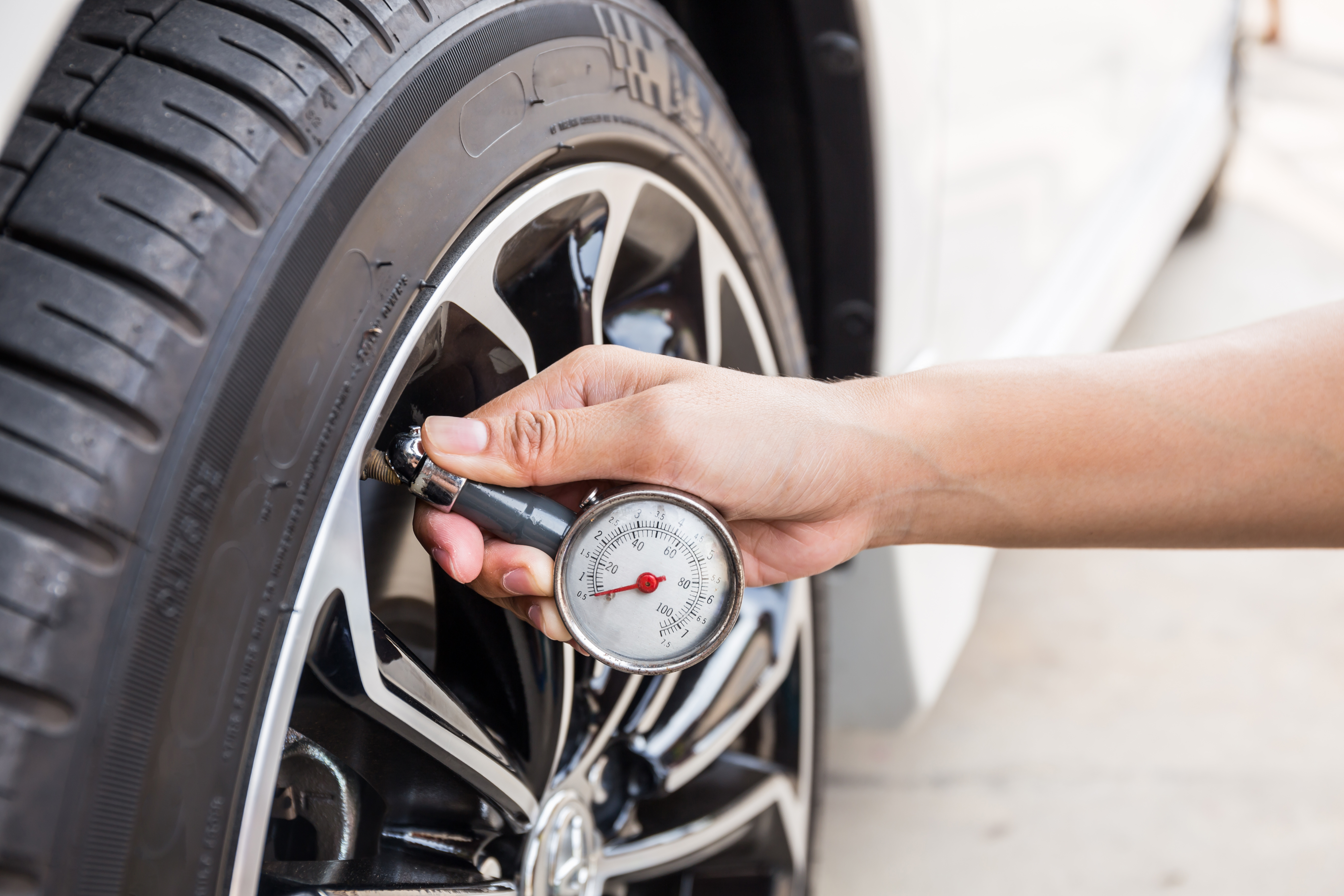
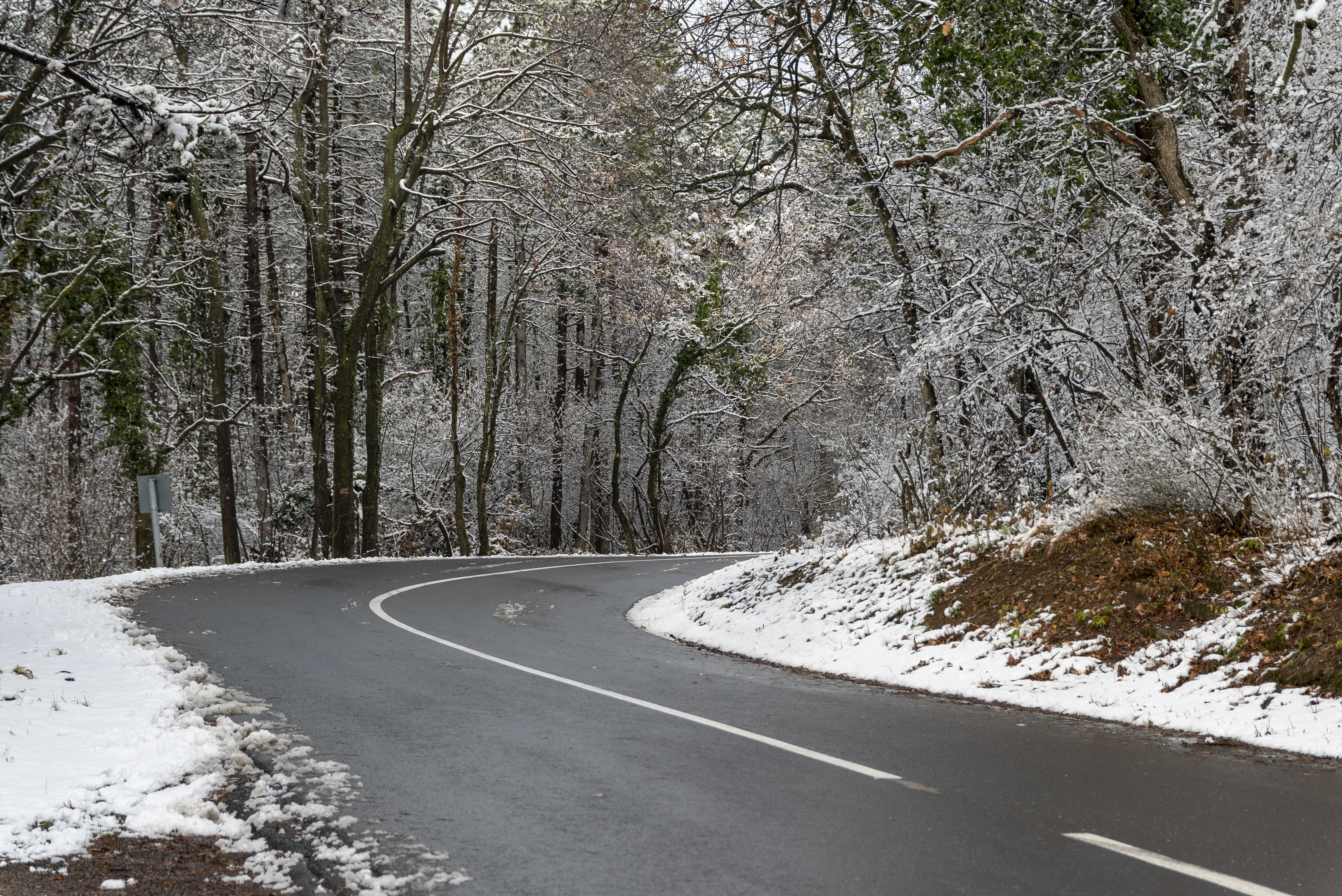
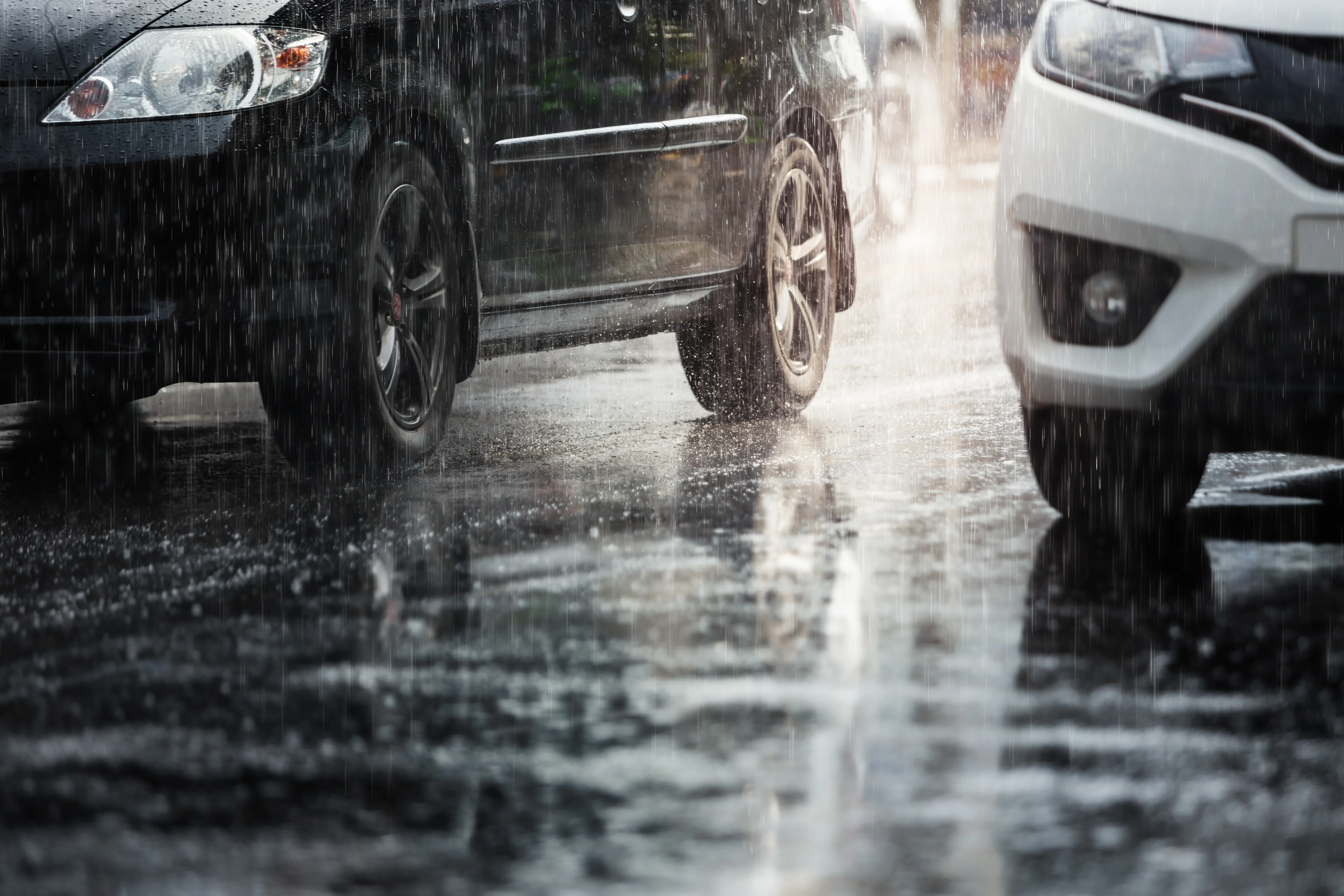
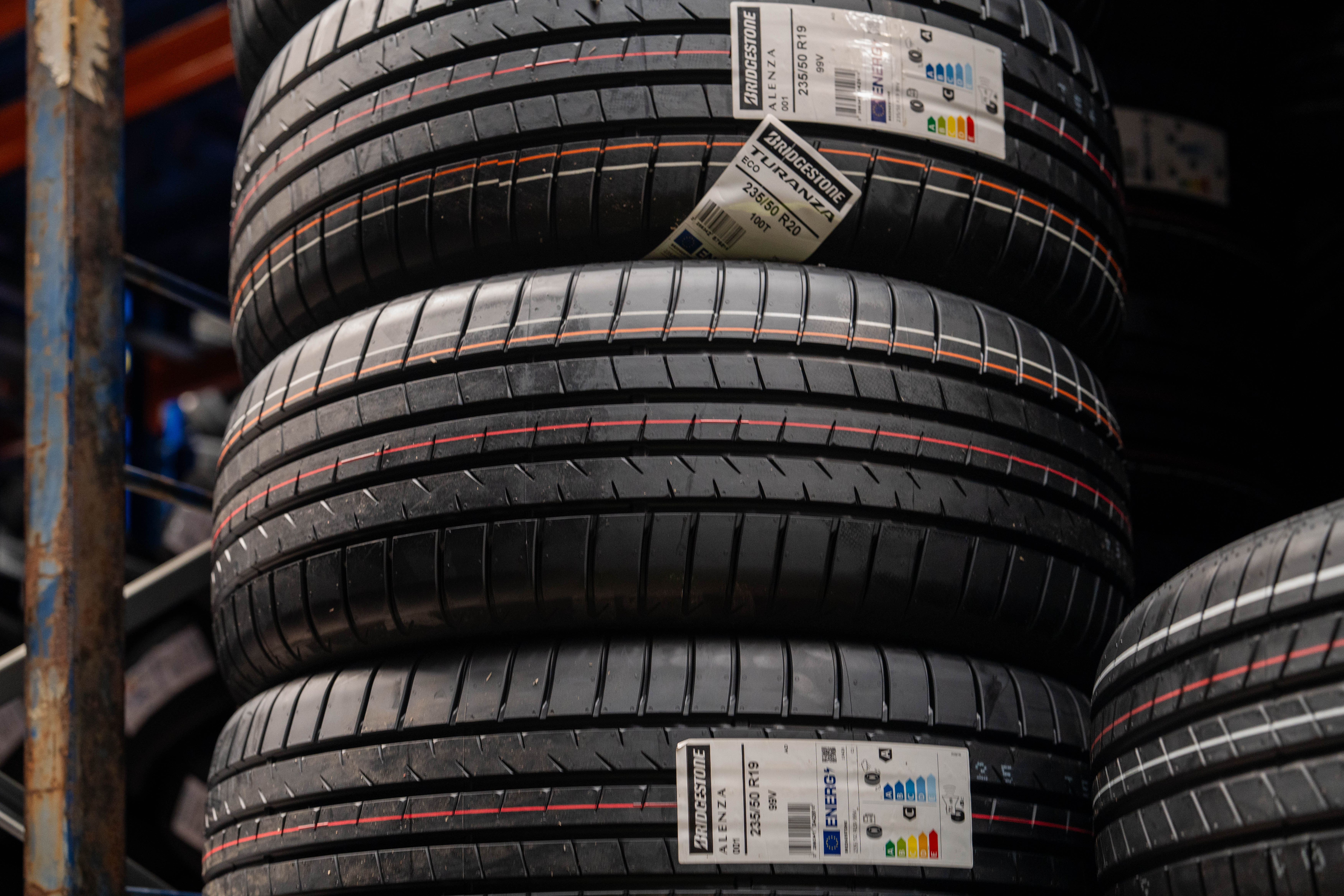
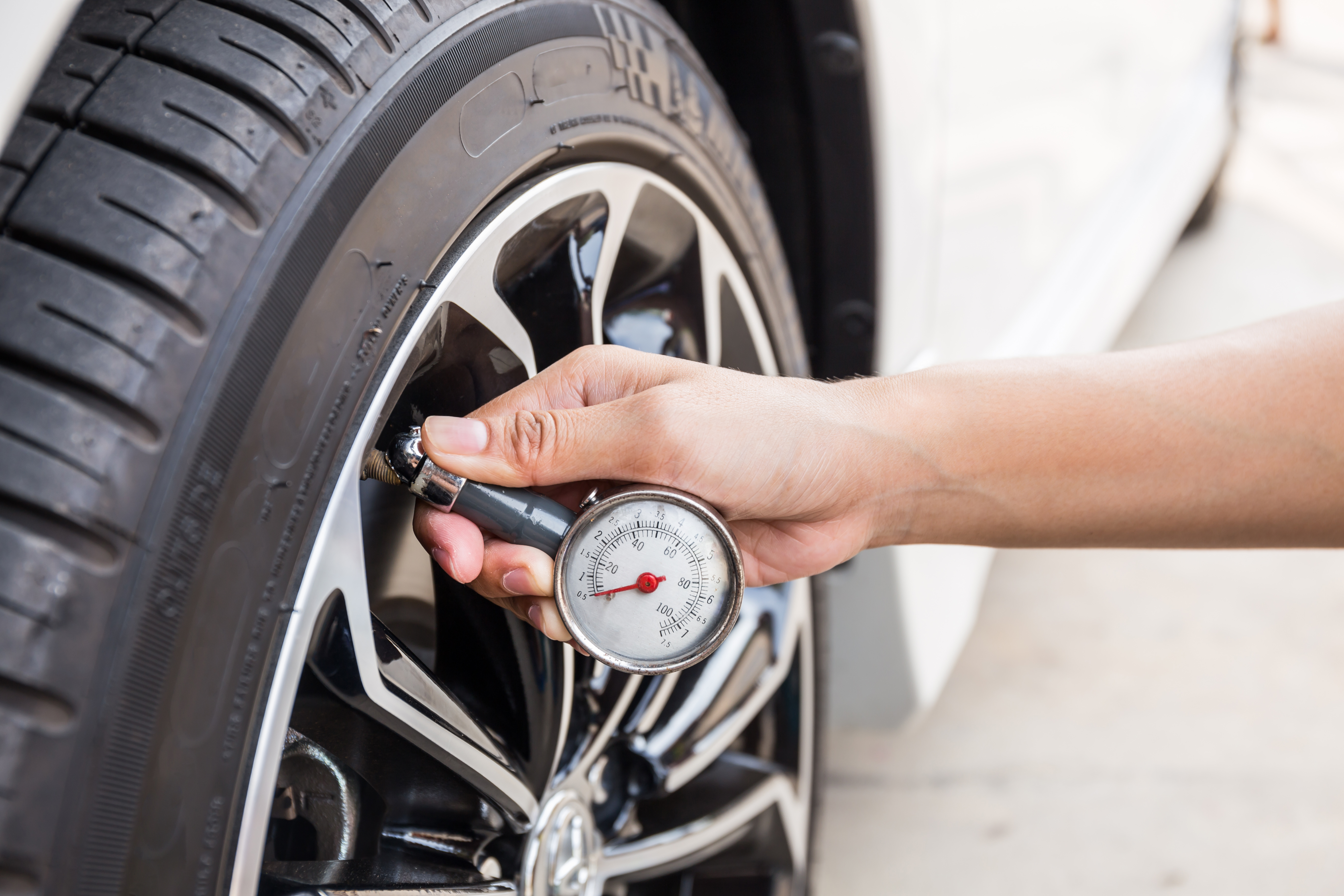
Regular tyre checks, proper inflation, and replacing worn tyres before they become a problem significantly reduce the chances of sudden failure. In Ireland’s wet conditions and on higher-speed roads, tread depth and tyre quality play a major role in day-to-day tyre safety.
Shoes For My Car helps Irish motorists stay prepared by making it easy to find tyres that fit your vehicle and driving needs. If your tyres are nearing the legal limit or showing signs of wear, now is the right time to take action.
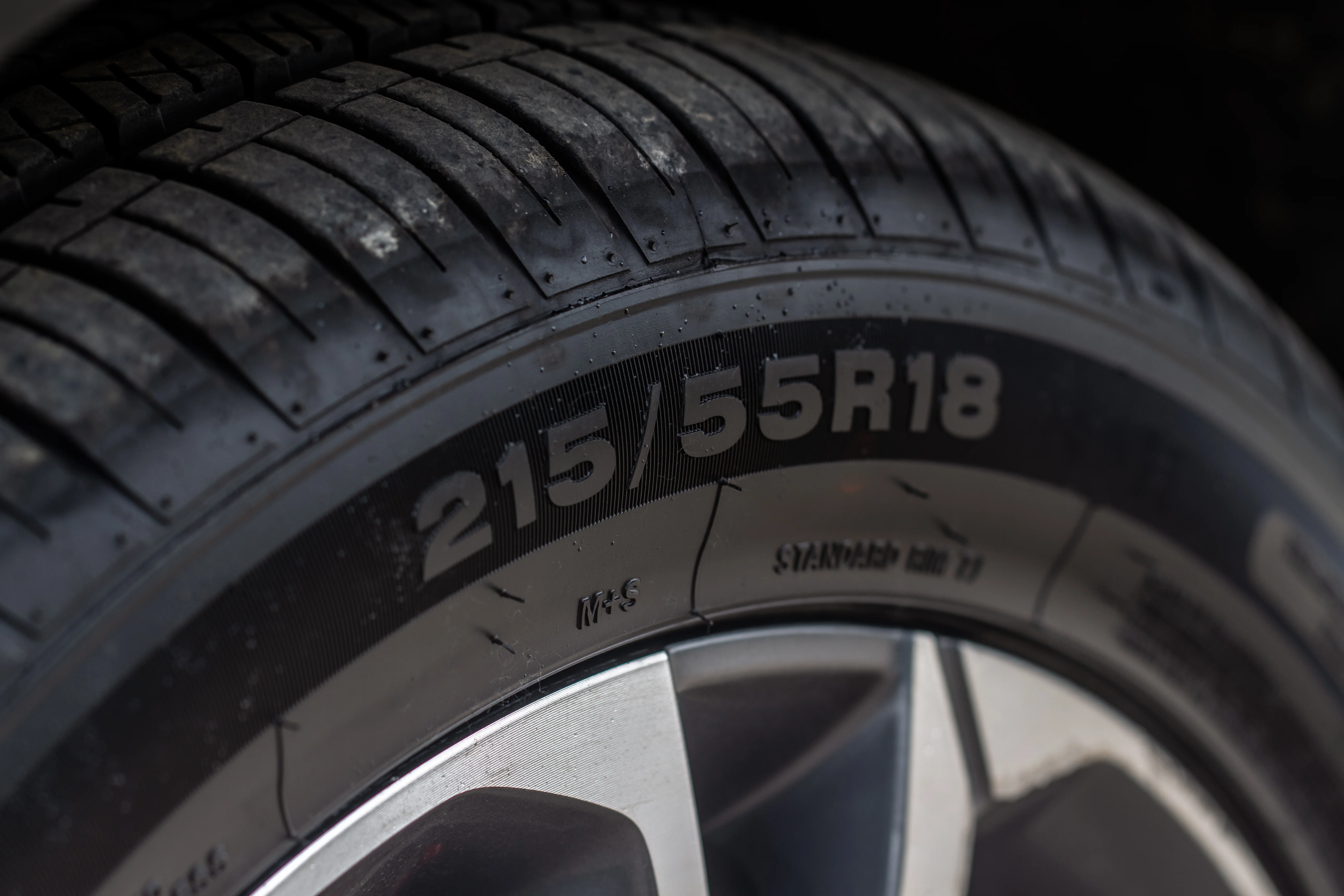
Check your tyre size, compare suitable options, and replace worn tyres before they put you at risk. A few minutes today can help prevent a dangerous situation on the road tomorrow. Chat with us now!
Frequently Asked Questions about How to Handle Tyre Blowouts
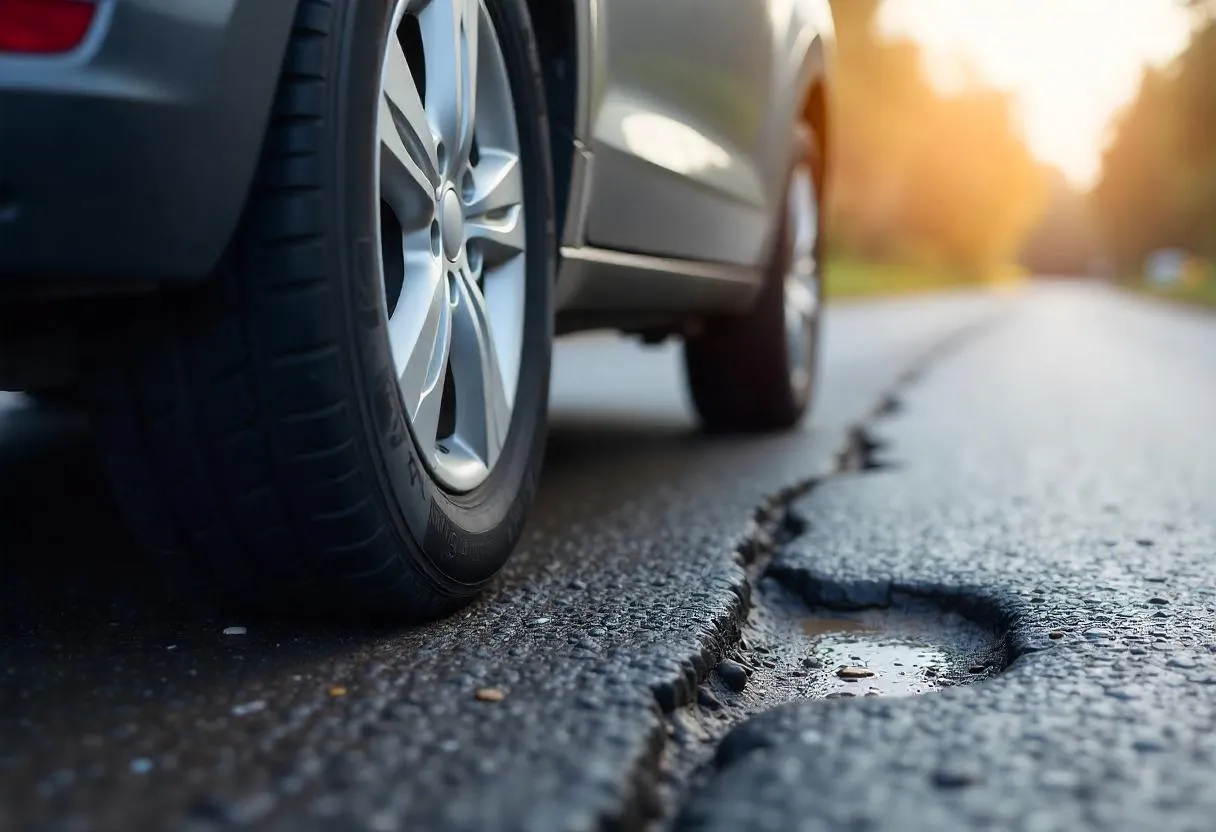
What causes a tyre blowout while driving?Tyre blowouts are usually caused by worn tread, underinflation, overloading the vehicle, hitting potholes or kerbs, or driving on damaged tyres for too long. In Ireland, wet roads and poor tyre maintenance increase the risk.
Can I continue driving after a tyre blowout?No. Once a tyre has blown, you should slow down in a controlled way and pull over as soon as it is safe. Driving on a blown tyre can damage the wheel, suspension, and bodywork, and can cause another loss of control.
Is it safe to change a tyre on the side of the road?It depends on the location. If you are on a quiet road with good visibility and feel confident, you may change the tyre yourself. On motorways, busy roads, at night, or in bad weather, it is safer to call roadside assistance.
How far can I drive on a space saver spare tyre?Space saver tyres are designed for short distances at reduced speeds, usually no more than 80 km/h. They are only a temporary solution. You should replace or repair the damaged tyre as soon as possible.
How can I reduce the risk of a tyre blowout in future?Check tyre pressure regularly, inspect tread depth, look for cracks or bulges, and replace tyres before they become worn. Proper maintenance is the most effective way to prevent sudden tyre failure.