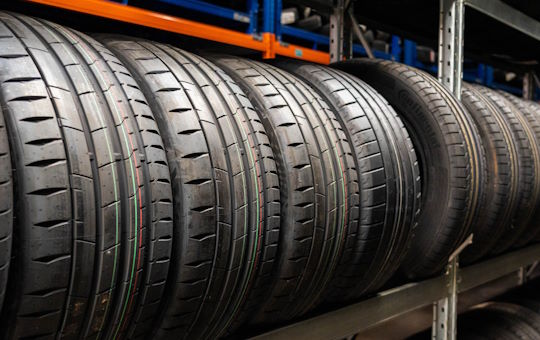
Car tyres play a crucial role in your vehicle's overall performance, affecting everything from handling and braking to fuel efficiency and safety. You may have noticed that many cars have different-sized tyres on the front and back. This isn't just a design choice—it's a deliberate feature to enhance the vehicle's performance. In this post, we'll explore why car tyres are different sizes on the front and back and how this impacts your driving experience.
Why Are Car Tyres Different Sizes on the Front and Back?
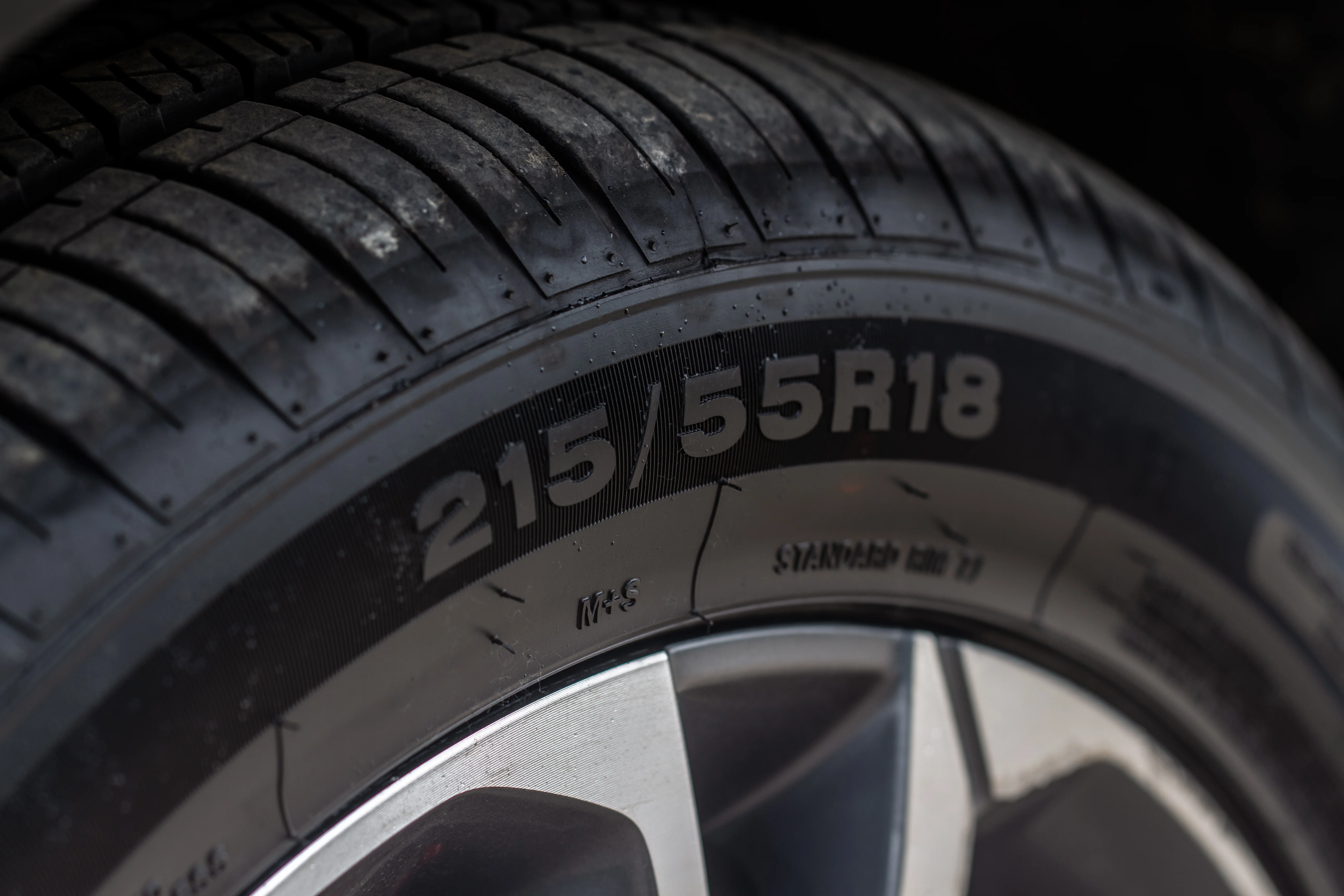
The main reason for differing tyre sizes is to optimize performance and handling. Front tyres handle steering and braking, while rear tyres manage power and stability. This distinction helps balance each tyre's role, allowing your vehicle to perform better on the road.
Front Tyres: Handling and Responsiveness
When you turn the steering wheel, the front tyres are responsible for changing direction. Smaller front tyres enhance responsiveness and offer better handling, particularly in corners. They also allow for better road feedback, giving drivers more control.
Rear Tyres: Power and Stability
Rear tyres support the car's power output and maintain stability, especially in high-performance vehicles. Larger rear tyres provide a bigger contact area with the road, improving traction and grip.
How Does Tyre Size Affect Driving?
The size of your car’s tyres plays a significant role in its overall performance. It impacts everything from handling and braking to acceleration and fuel efficiency. Understanding how tyre size affects these factors is crucial to getting the most out of your vehicle. Let’s break down the main ways tyre size influences driving:
Handling
Tyre size directly affects how your car responds when turning or cornering. Larger tyres provide stability, while smaller ones improve responsiveness. The balance between the two is key to achieving optimal handling.
Smaller front tyres:
- More responsive
- Quicker steering response
- Better feedback from the road
- Ideal for handling sharp turns
Larger rear tyres:
- Provide better stability
- Help maintain balance at higher speeds
- Reduce the risk of swerving or instability
- Essential for performance and rear-wheel-drive vehicles
A balanced combination of front and rear tyre sizes ensures smooth, predictable handling, giving you full control in various driving conditions.
Is your car pulling to one side? Learn why, and how to fix it.
Braking
The size of your tyres has a major effect on braking performance. Larger tyres provide more surface area, which allows for better grip and quicker stops. Smaller tyres, in contrast, may struggle to offer the same braking power.
Larger tyres:
- Offer more surface area for grip
- Help distribute braking force evenly
- Improve stopping power
- Reduce the risk of skidding
Smaller tyres:
- May take longer to brake
- Have less surface area in contact with the road
Acceleration
Tyre size plays a key role in how quickly your car can accelerate. Larger rear tyres provide better traction, allowing your vehicle to transfer engine power to the road more efficiently. Smaller front tyres help maintain stability during acceleration.
Larger rear tyres:
- Provide better grip and traction
- Help transfer the engine’s power to the road more effectively
- Reduce wheel spin, improving acceleration
Smaller front tyres:
- Ensure smoother steering adjustments when accelerating
- Help maintain vehicle direction while boosting speed
The combination of larger rear tyres and smaller front tyres results in improved acceleration and better overall control.
Fuel Economy
Tyre size can also affect fuel efficiency, as larger tyres create more rolling resistance. This requires the engine to work harder, which can lead to higher fuel consumption. Smaller tyres tend to have less resistance, which can improve fuel economy.
Larger tyres:
- Create more rolling resistance
- Require more energy (fuel) to move
- Can decrease overall fuel efficiency
Smaller tyres:
- Have less rolling resistance
- Help improve fuel economy
While smaller tyres may save fuel, it’s important to consider that they could compromise other aspects of performance, such as traction or stability.
Comfort and Ride Quality
Tyre size influences how smooth or rough your ride is. Larger tyres tend to transmit more road vibrations, leading to a firmer ride. Smaller tyres, on the other hand, absorb road imperfections more effectively, offering a smoother ride.
Larger tyres:
- Typically firmer ride
- Transmit more road vibrations and bumps
- Can make driving on uneven roads feel rougher
Smaller tyres:
- Absorb road imperfections better
- Provide a smoother, more comfortable ride
While larger tyres provide performance benefits, smaller tyres are often the choice for those seeking a smoother, more comfortable driving experience.
Traction in Different Conditions
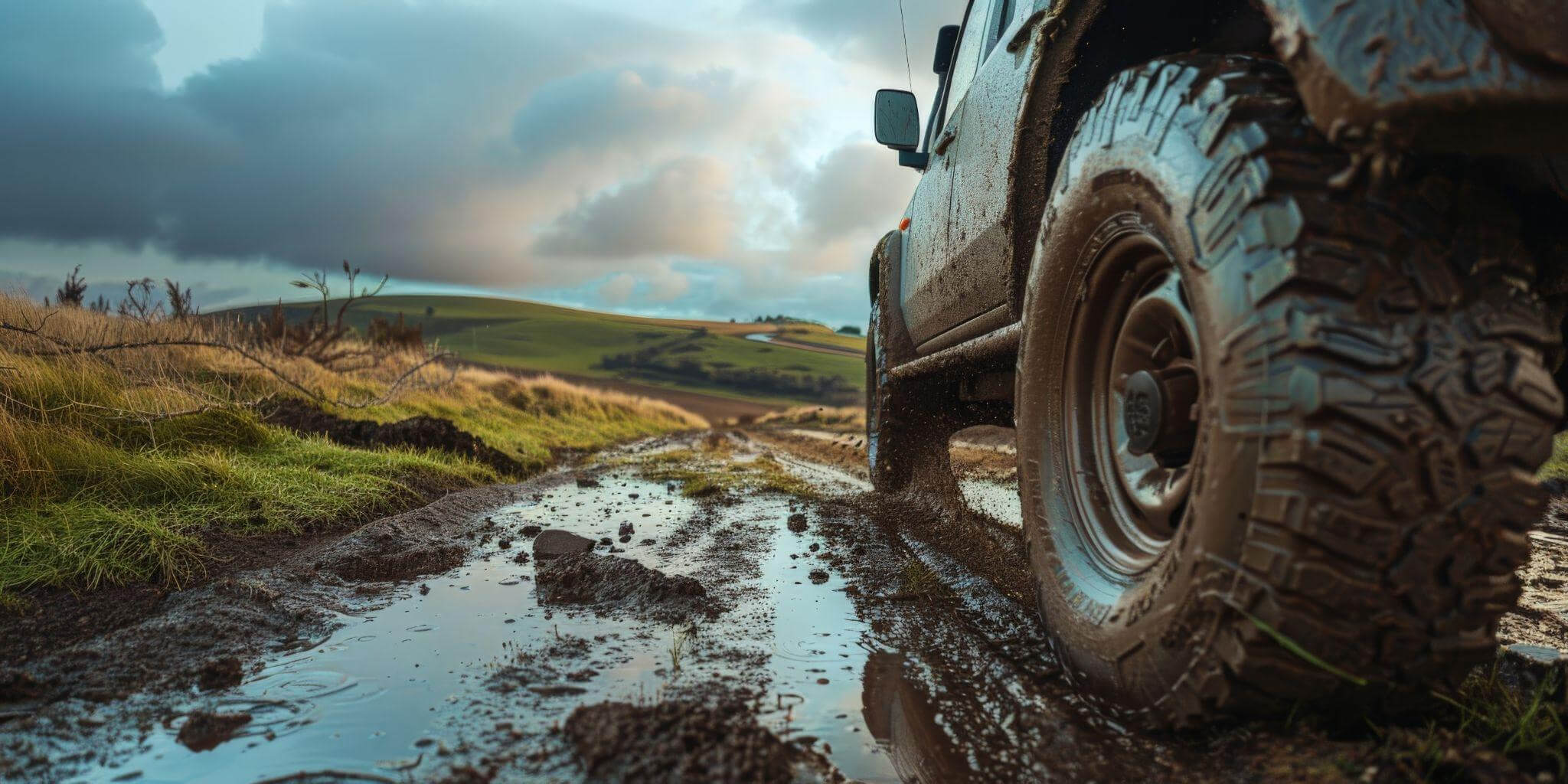
Larger tyres generally provide superior traction, especially in challenging driving conditions. They have more surface area, which offers better grip on both dry and wet roads. Smaller tyres may not perform as well in slippery or off-road conditions.
Larger tyres:
- Offer superior traction on dry and wet surfaces
- Provide more grip for high-performance and off-road vehicles
- Improve control at high speeds or on difficult terrain
Smaller tyres:
- May not offer the same level of traction
- Could be less effective in slippery or challenging conditions
For improved grip and safety, larger tyres are often the preferred choice, particularly in high-performance and off-road scenarios.
Find tyres by car registration.
How to Maintain Your Car’s Tyres for Optimal Performance
Proper tyre maintenance is key to ensuring safety, longevity, and peak performance. Follow these essential tips to keep your tyres in top shape:
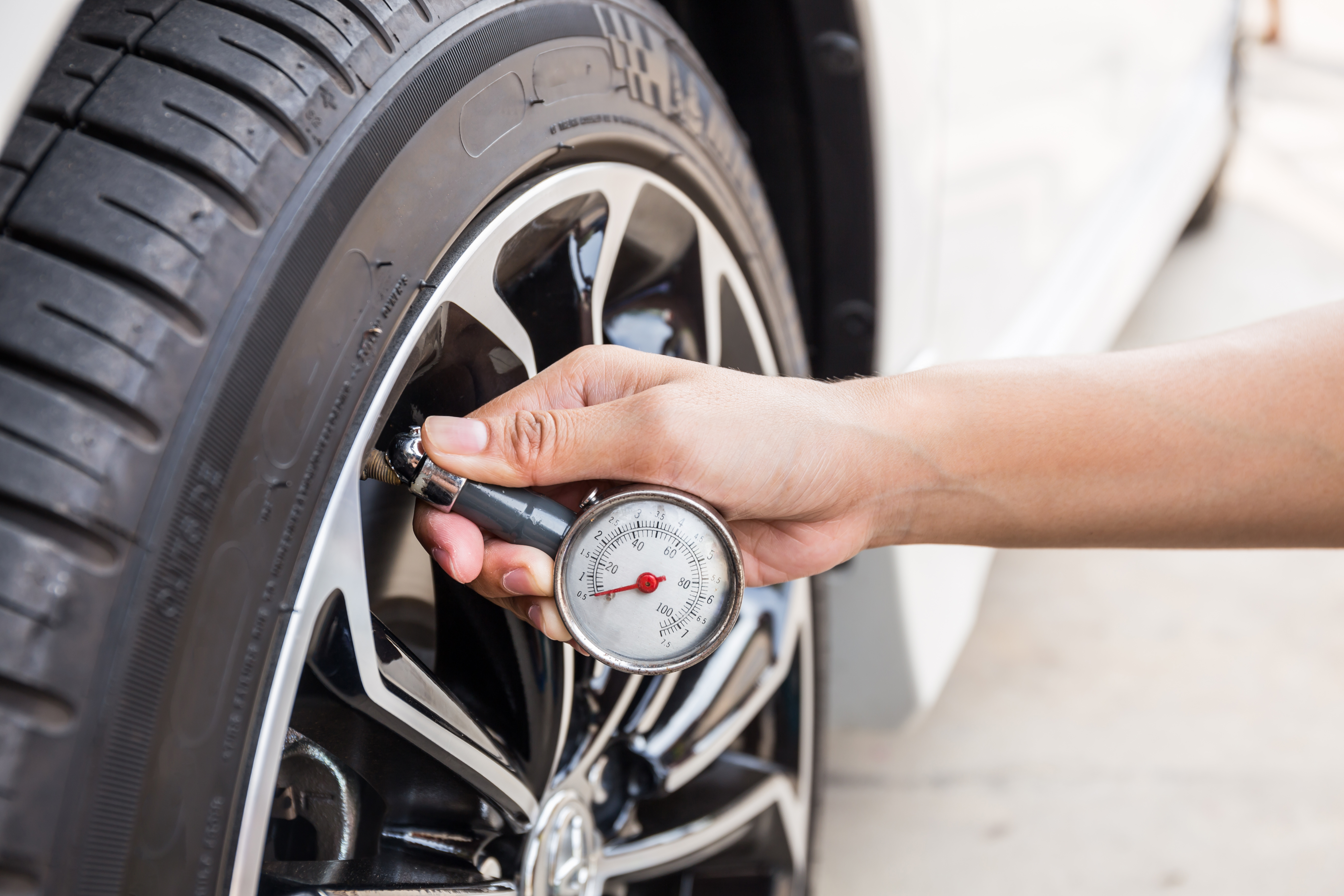
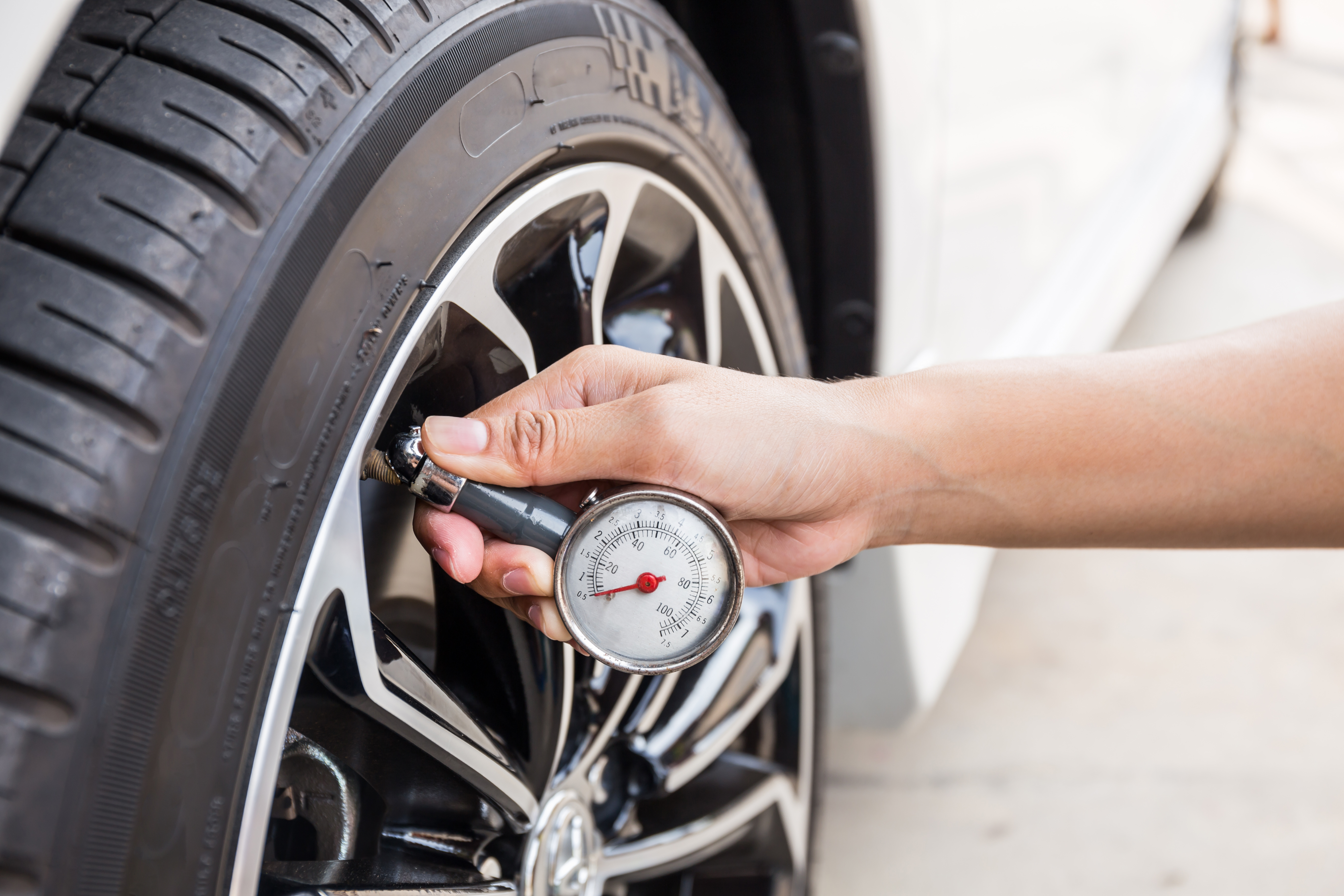
Check Tyre Pressure Regularly
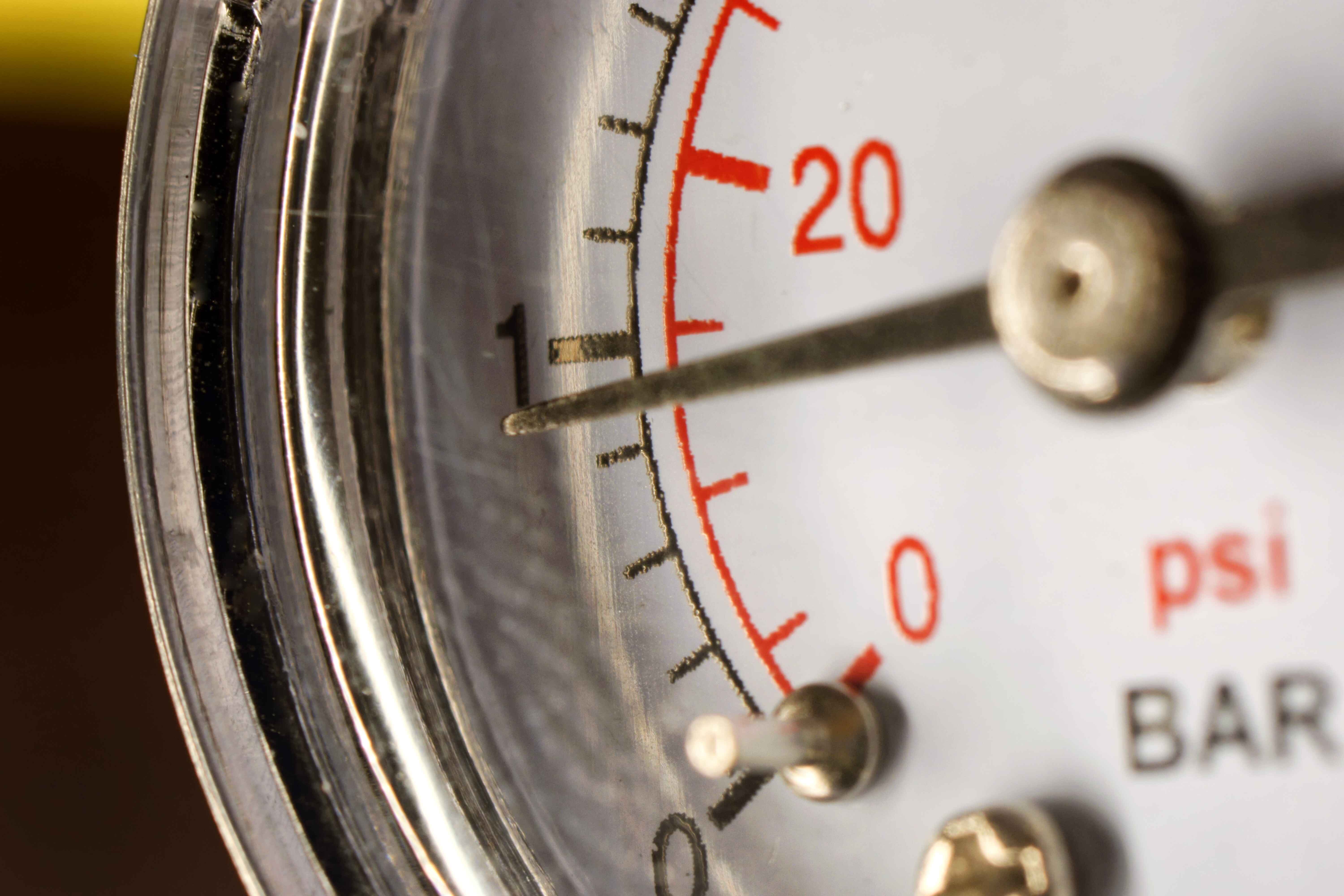
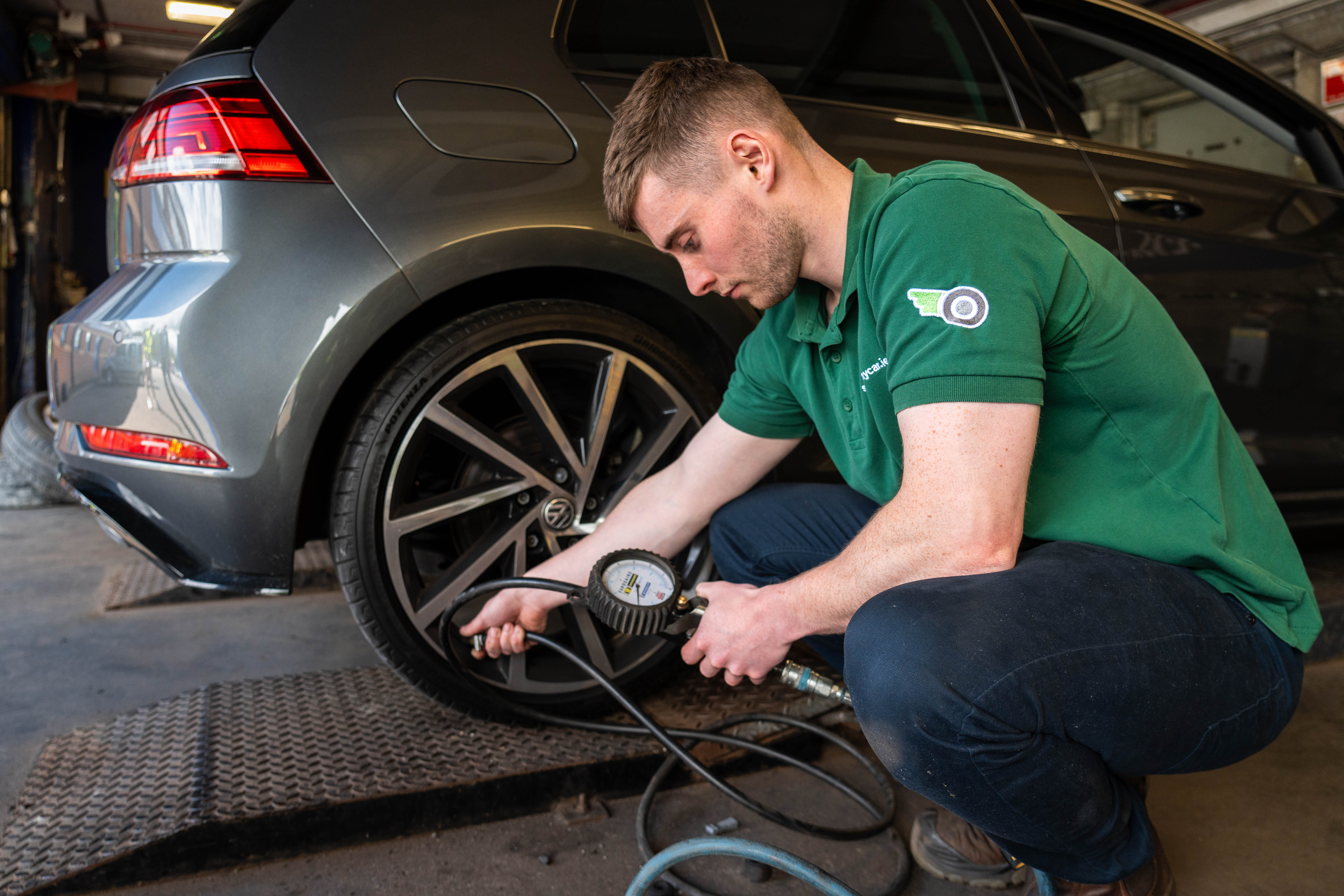
Under-inflated tyres can reduce handling and fuel efficiency. Make sure to check your tyre pressure at least once a month and inflate to the manufacturer’s recommended pressure.
Rotate Your Tyres
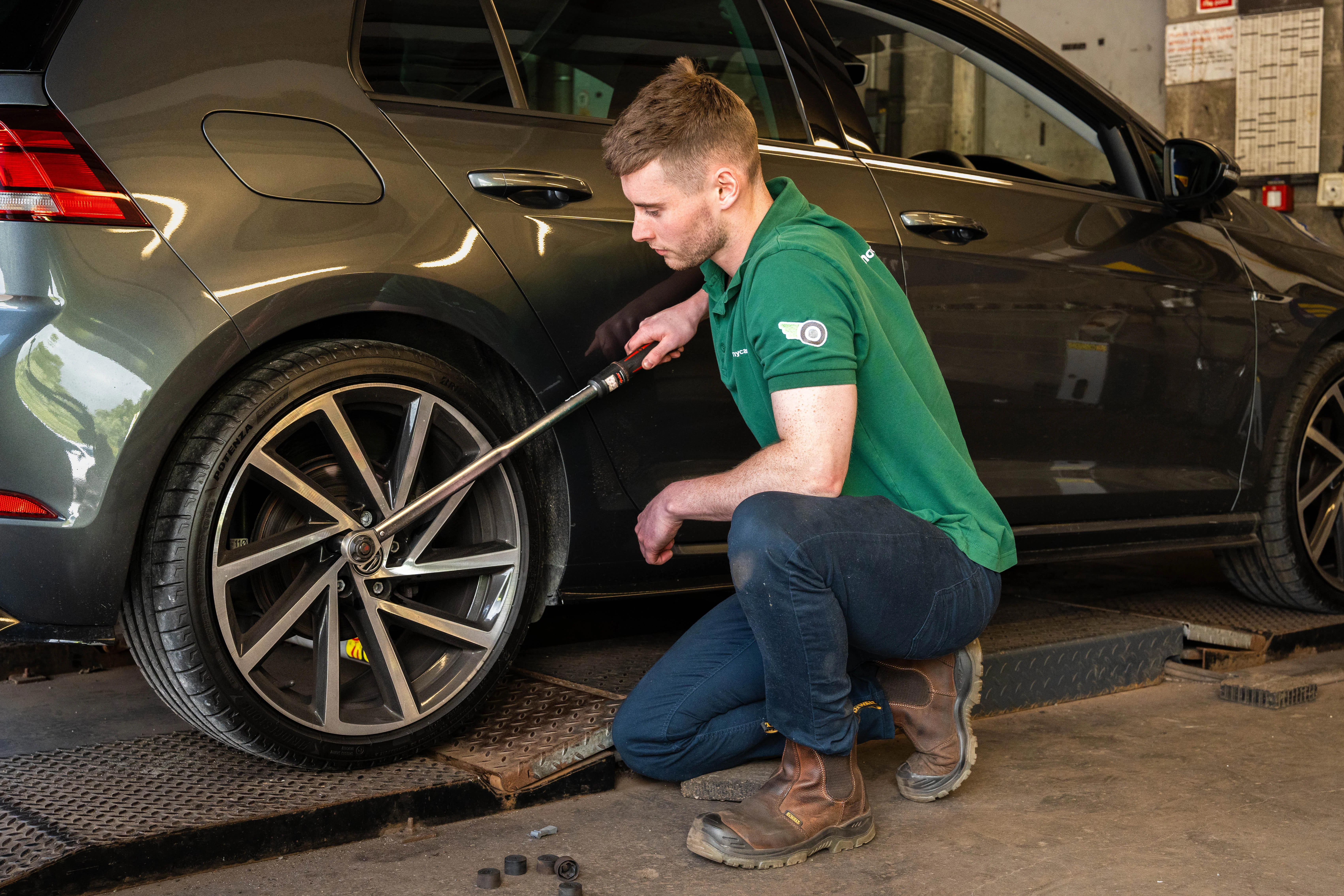
Regular tyre rotation helps prevent uneven wear, extending the lifespan of your tyres. Follow your vehicle’s manual for the recommended tyre rotation schedule.
Replace Worn Tyres
Driving on worn tyres is dangerous and reduces your car's handling abilities. Inspect your tyres regularly for signs of wear or tyre damage and replace them when necessary.
Check Wheel Alignment
Misaligned wheels can lead to uneven tyre wear and handling issues. Regularly have your wheel alignment checked and adjusted to keep your tyres in good condition.
Ready to Upgrade Your Tyres? Order Online with Shoes For My Car Today!
If you're experiencing issues with your tyres or it's simply time for a replacement, Shoes For My Car offers a wide selection of tyres for all makes and models. Whether you need new tyres for the front, back, or both, we have you covered. Browse our tyres online, find the right tyres for your car, and enjoy quick local fitting. Don't compromise on safety—order your tyres today and ensure your car handles perfectly!